About the Access Program
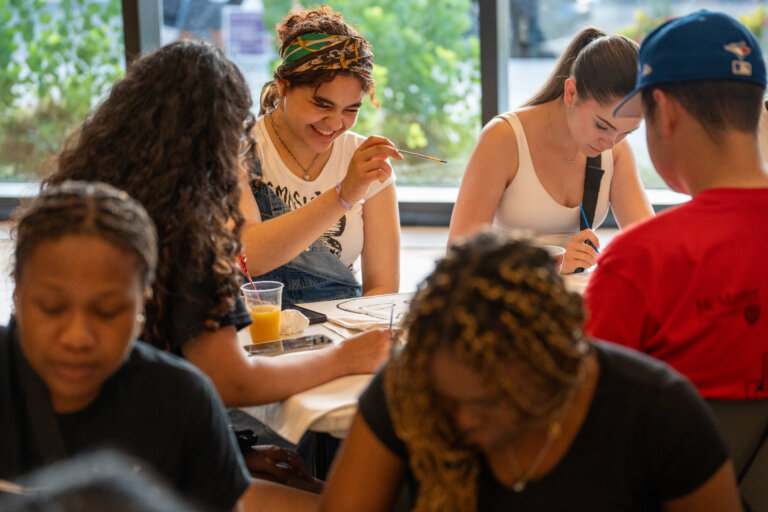
There’s a place for you at McMaster. McMaster’s Access Program connects equity-deserving students and those from historically underrepresented backgrounds with information and supports to set them up for success in university. Once you’re here, we’ll work with you to ensure you have everything you need in your university experience.
Through community, advocacy, mentorship and individualized support, we help students feel seen, supported and empowered throughout their McMaster journey. Our goal is to help you think about post-secondary education as a world of possibilities instead of barriers.
Read in the McMaster News: Alumni invest $2 million in Access Program for equity-deserving students
Contact us
Email us at access1@mcmaster.ca to learn more about how to get involved.
Visit us in the Access Program Lounge, Mills Library L213E, Monday to Friday, 9:00 a.m. to 4:00 p.m.
- Students who wouldn’t attend post-secondary without additional programs or supports
- Students with parents who did not attend or complete post-secondary studies (first-generation university students)
- Indigenous students
- Students with disabilities
- Certain racialized minority students (especially youth with Afro-Canadian and Latin American backgrounds)
- Students from low-income families and neighbourhoods
- Adult learners who are new to post-secondary education
- Students from rural communities
- Women (in some disciplines)
The Access Award provides up to $20,000 per year for four years of post-secondary education at McMaster. Plus, you receive mentorship, employment options and academic supports to set you up for success.
This award’s for academically qualified students from equity-deserving and historically underrepresented groups in Hamilton and the surrounding area.
How to apply:
- Complete and submit your application to McMaster University through the Ontario University Application Centre (OUAC).
- Apply for the Access Award using McMaster’s AwardSpring platform. Your application must include:
- A short essay describing the barriers you’re experiencing and why you want to attend McMaster
- A reference letter
If you grew up in the care of the Children’s Aid Society and are planning to attend McMaster, you may be eligible for financial support. Bursary funding is available towards tuition and compulsory fees. This funding is renewable, subject to meeting eligibility requirements for up to four years.
You’re eligible for the bursary if you:
- Have completed extended society care in Ontario (not publicly adopted) in the Greater Golden Horseshoe Area (one year minimum).
- Self-identify through the OSAP application process and provide the supporting documentation (OSAP Verification of Status with Children’s Aid Society Form).
- Are a permanent resident, refugee or citizen of Canada.
- Apply for non-repayable grant funding through full-time or part-time OSAP each academic year. Students are not required to apply for loan funding.
- Receive an offer of admissions to McMaster University and meet the final admission conditions of the offer.
Visit the Registrar’s Office to learn more about the bursary and how to apply.
Mac4U: Transition Program for Access Students
Annual summer program for first-year students
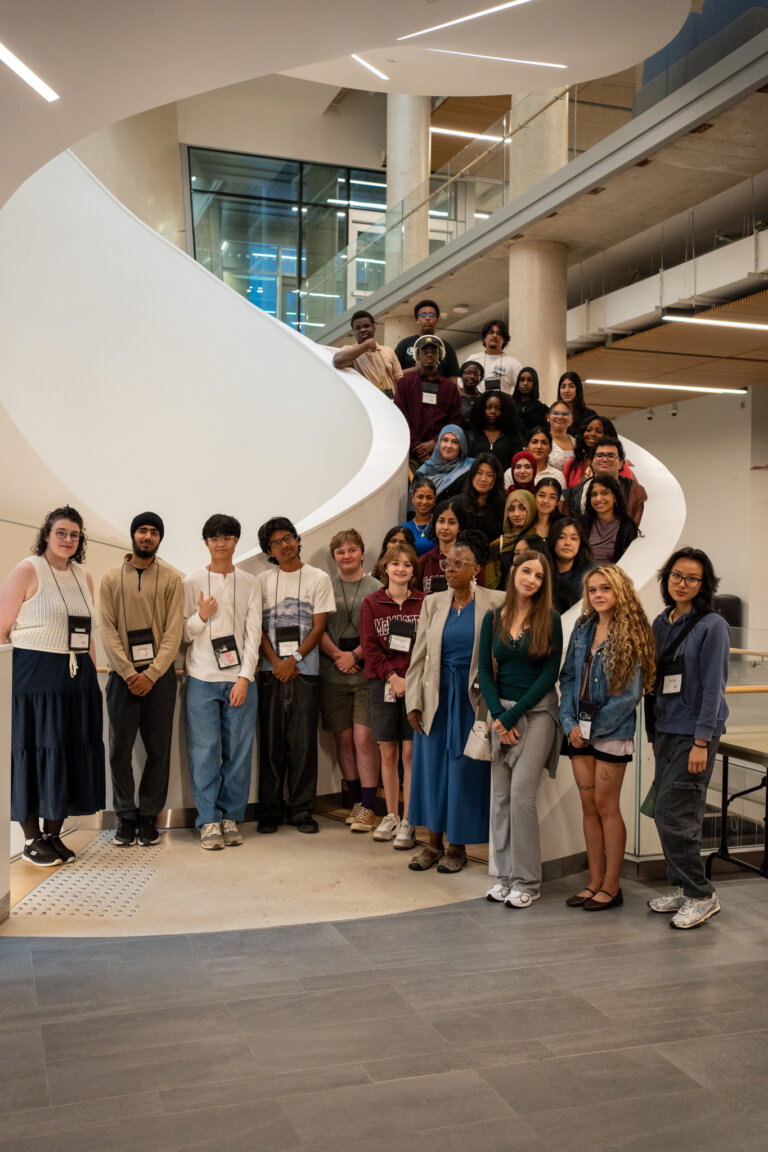
University can feel like a big transition, but you don’t have to do it alone. By participating in Mac4U, you’ll feel more grounded, connected and excited about what’s possible.
What to expect:
- University prep to help you feel confident and ready
- Community building with peers and mentors who truly understand your journey
- Guided support through the many processes and systems at McMaster, from course selection to campus life and more
- Fun and opportunities to make friends in a welcoming, supportive space
- Overnight stay in McMaster residence (shared rooms, no cost to you!)
Planning on coming to Mac next year and interested in Mac4U? More information will be available in the spring.
Building belonging through the Access Program
Video series developed by Ebunoluwa (EB) Soneye, social work student, Access Program participant and Wilson Leader for the 2023–2024 academic year, in collaboration with student participants and supported by the Student Success Centre.
We aimed to capture the essence of [student] experiences, the triumphs, and the challenges that have shaped [their] journey within our program and at McMaster. It is about the remarkable ways [students] have driven [their] own success while being a participant in the program. It’s about honoring dignity and resilience along the journey.
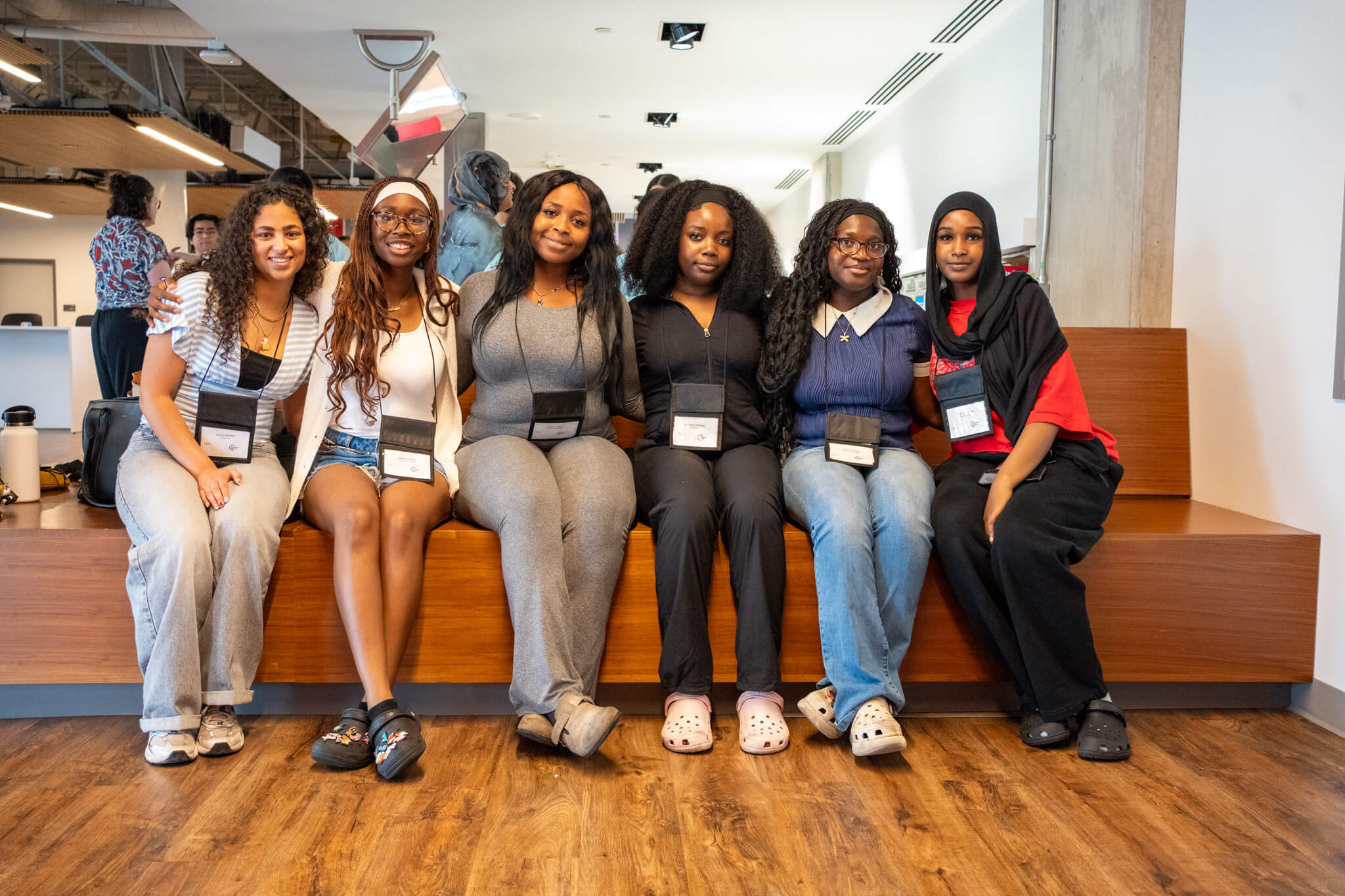
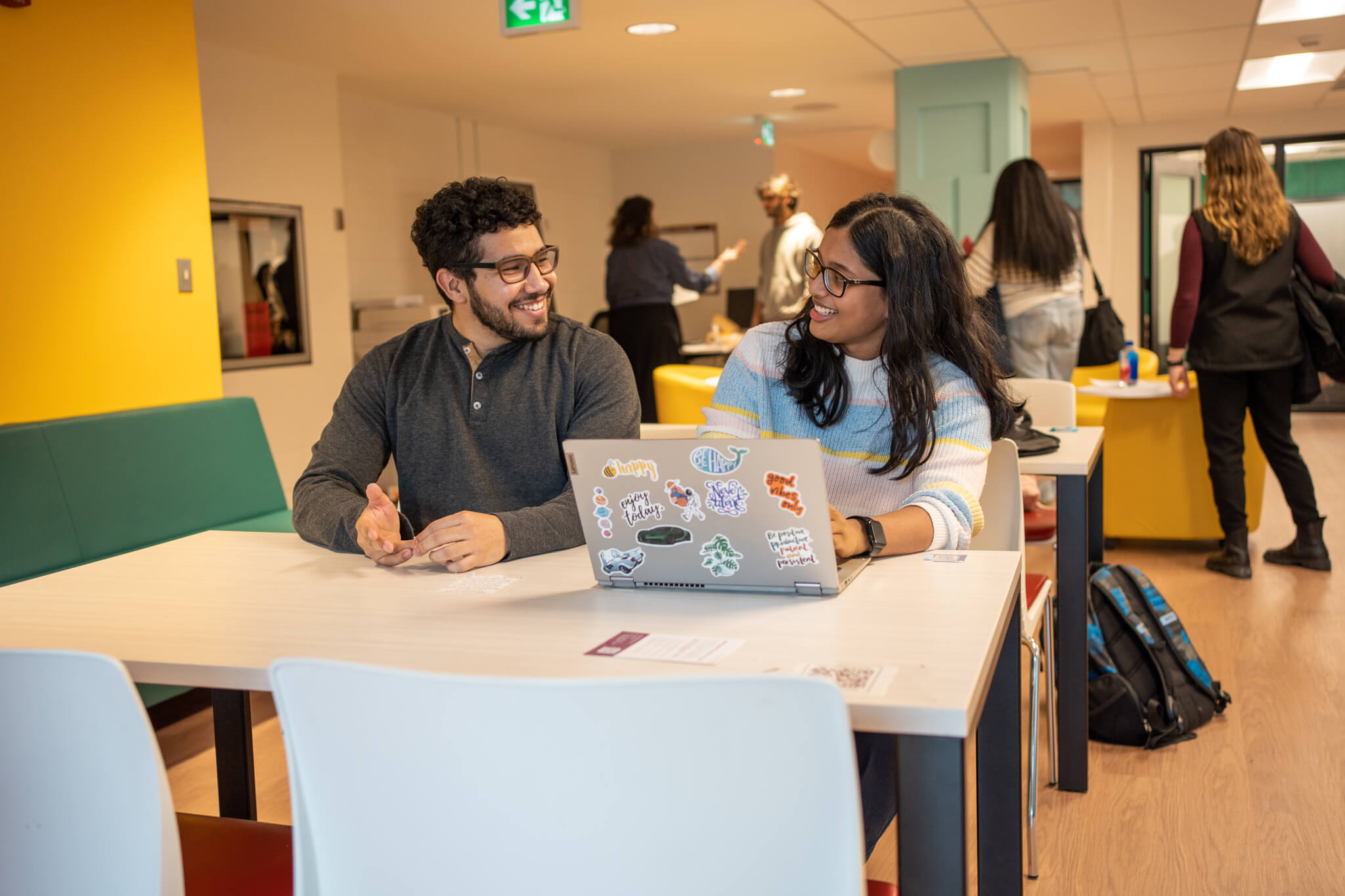
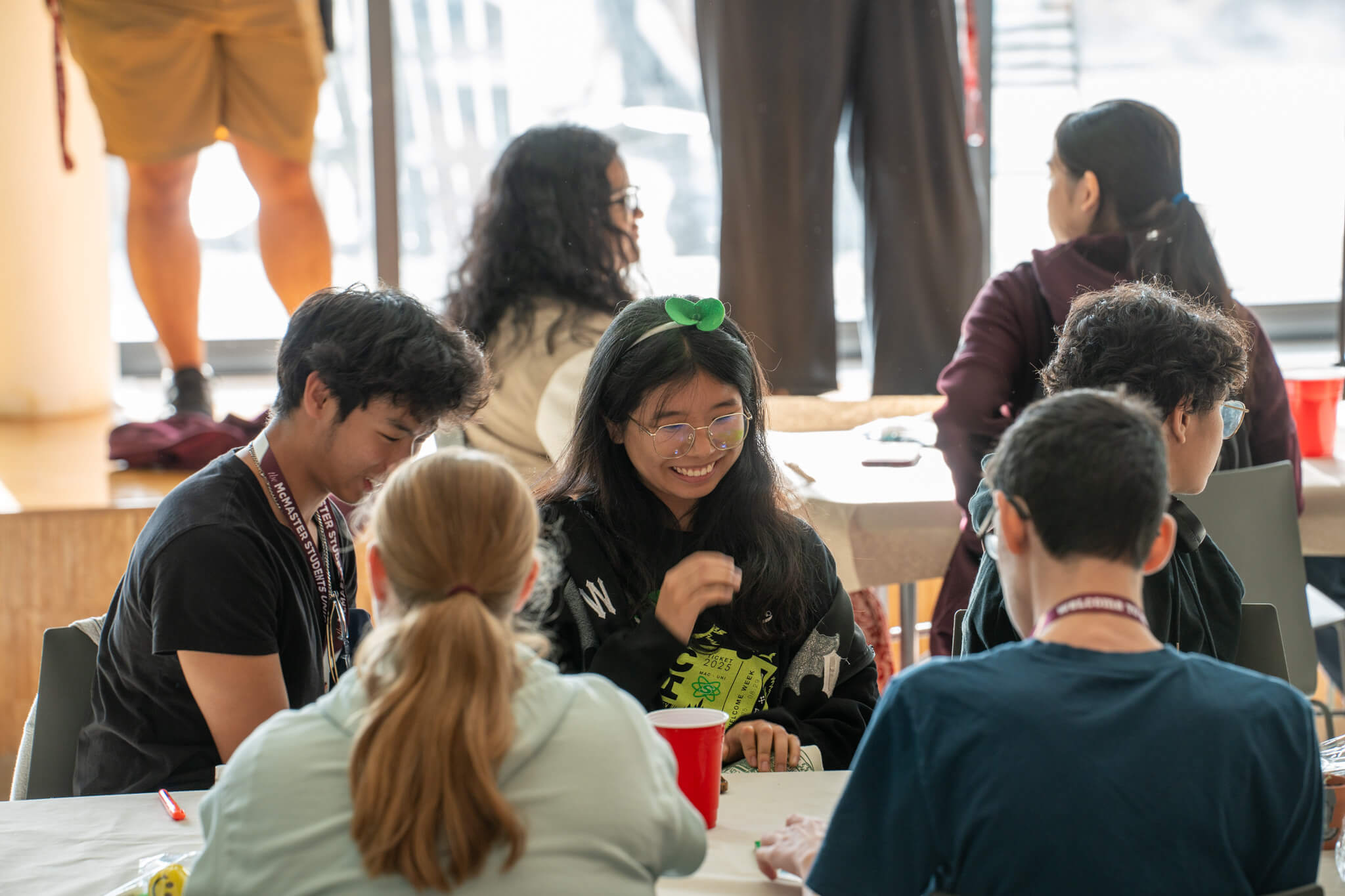
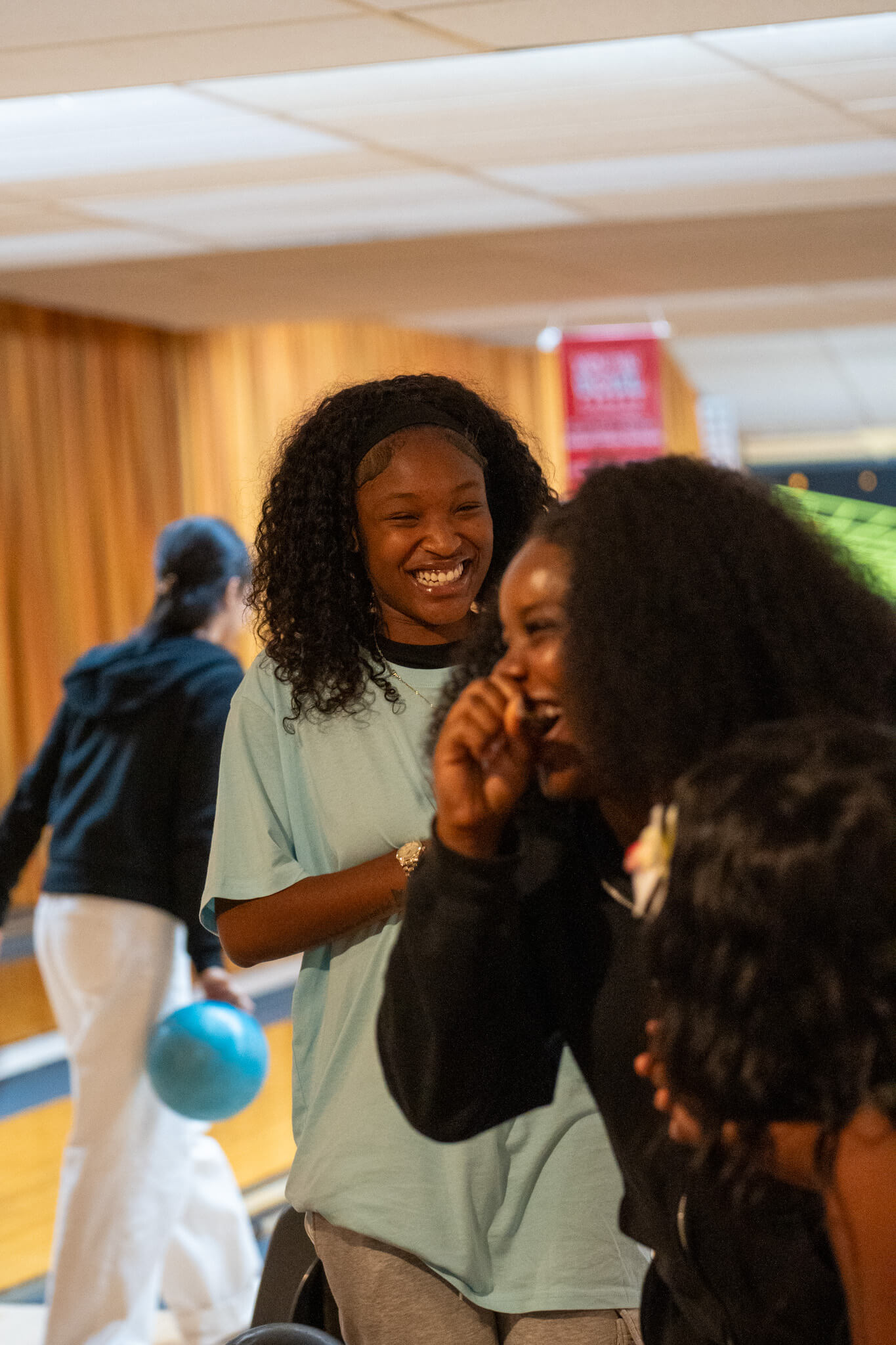

Meet the Access Program team
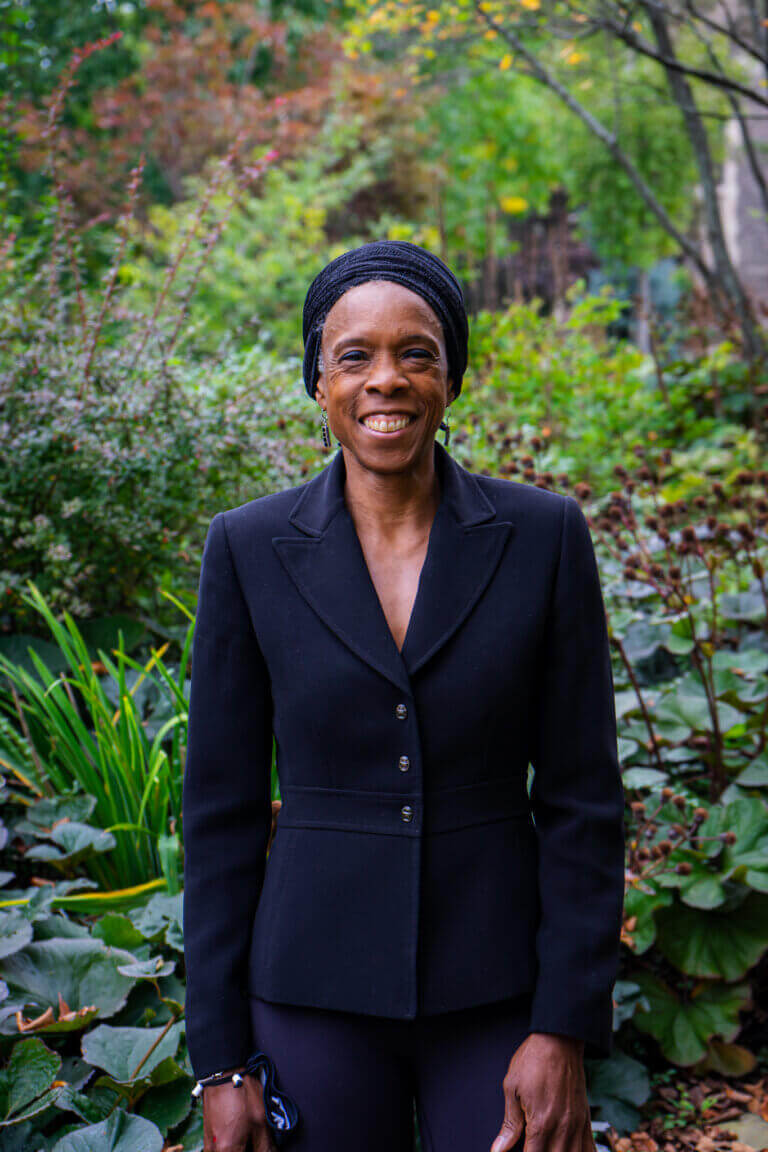
Celeste Licorish
Manager, Educational Initiatives and Assessment — Access Strategy
Email: licorisc@mcmaster.ca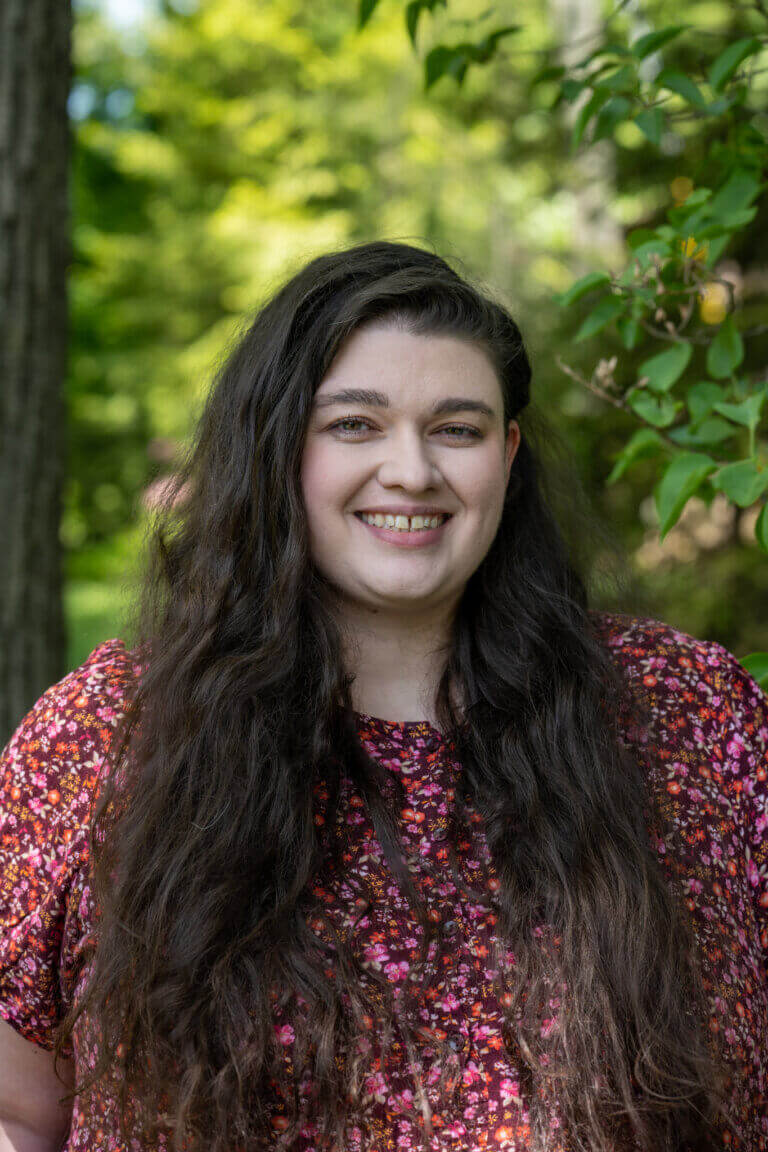
Jen Pearson
Outreach Coordinator, Equity Deserving Groups (Access Program)
Email: pearsojl@mcmaster.caVivian Tang
Access Program Ambassador
Mikayla Whyte
Access Program Ambassador
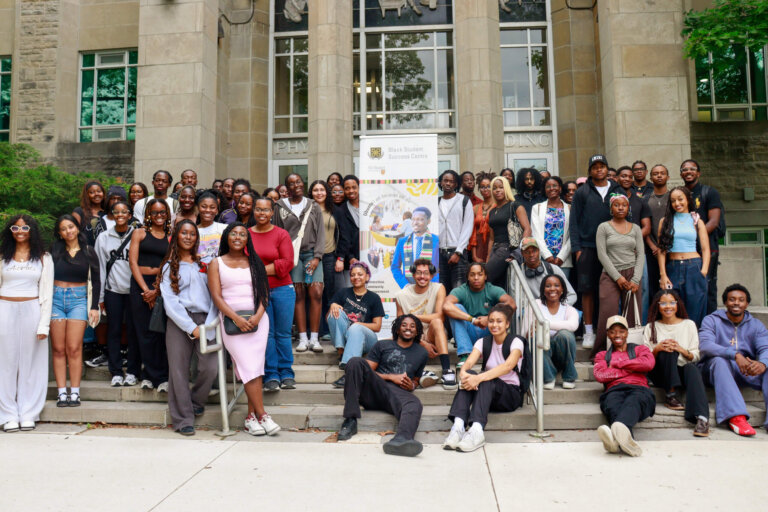
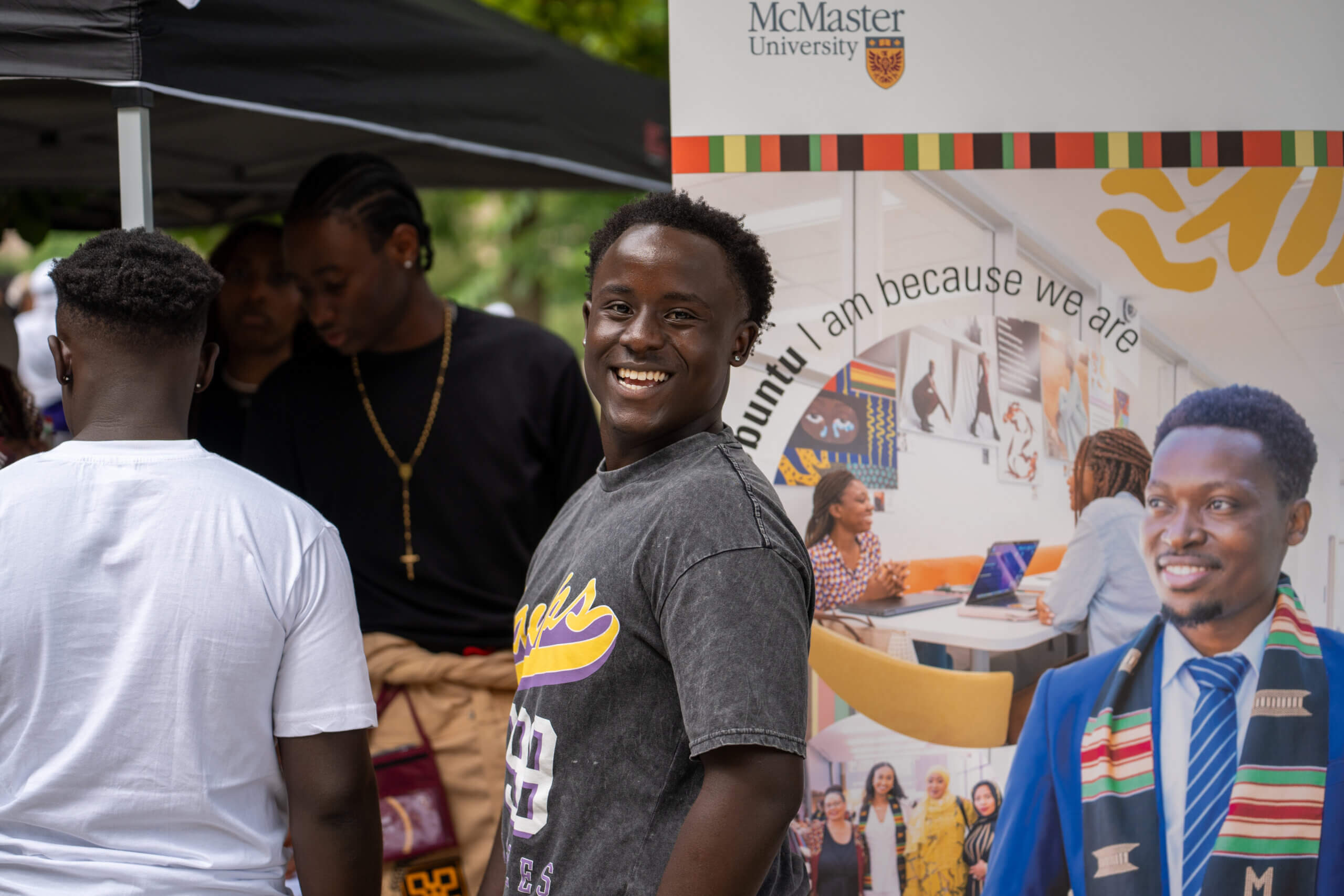
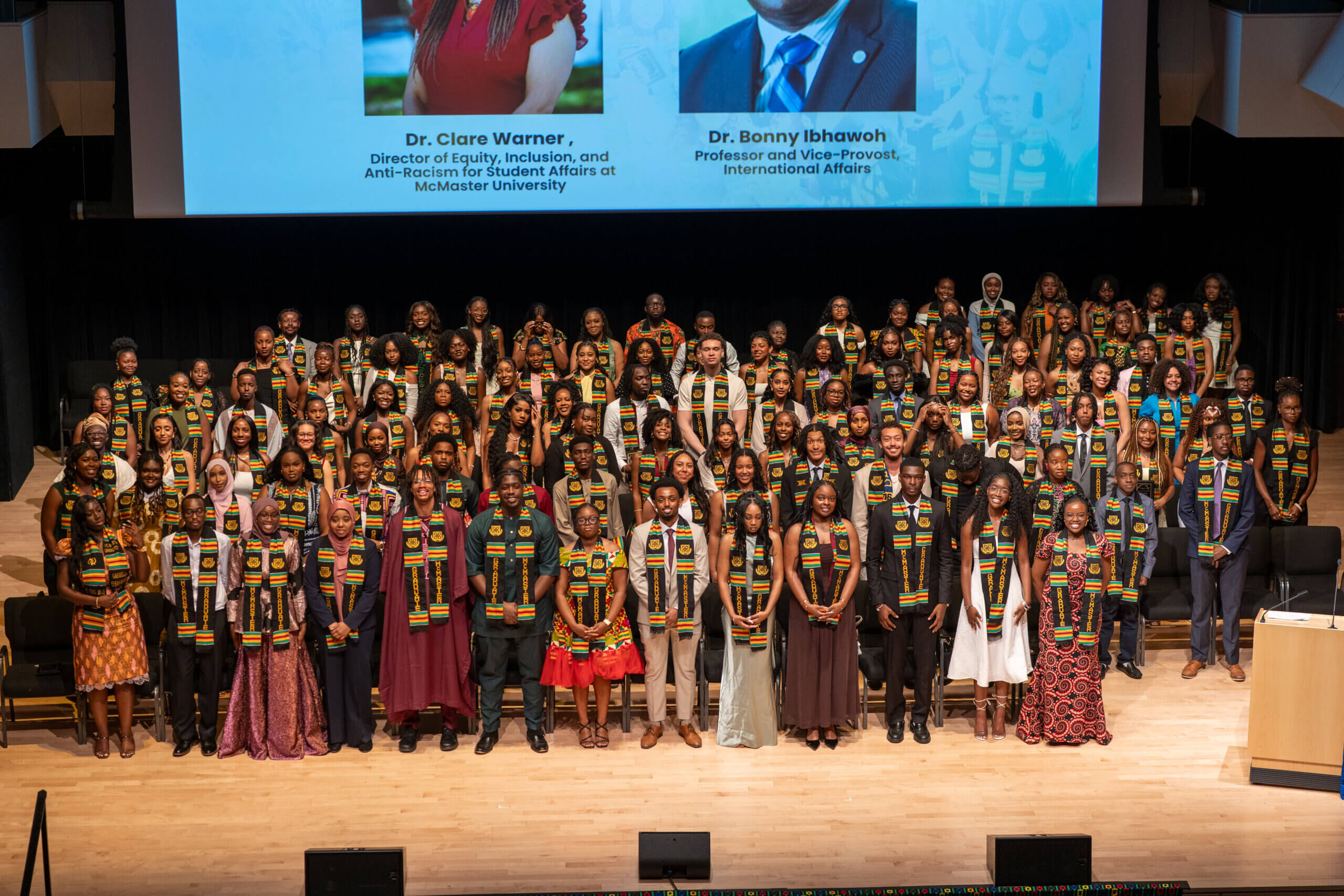
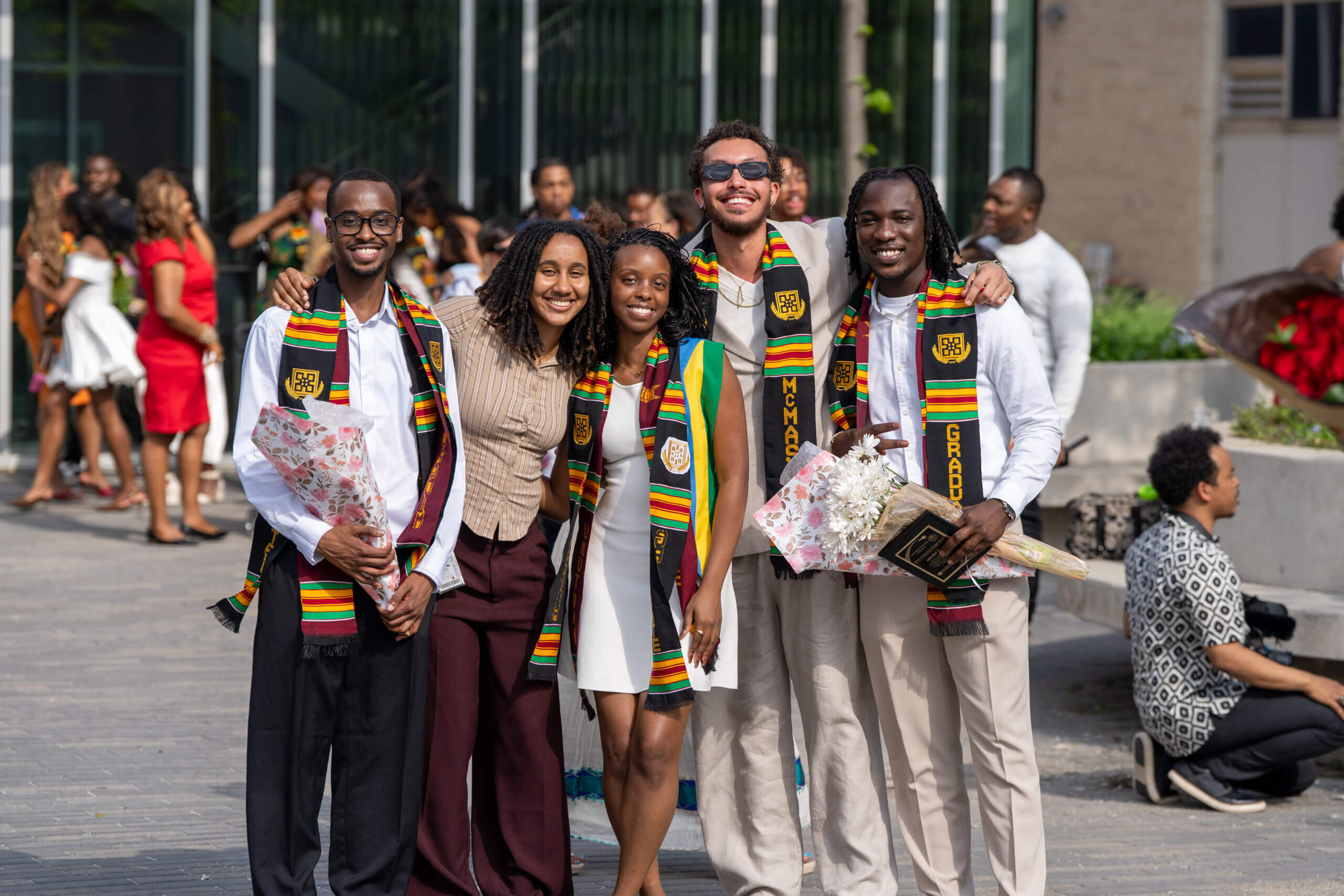
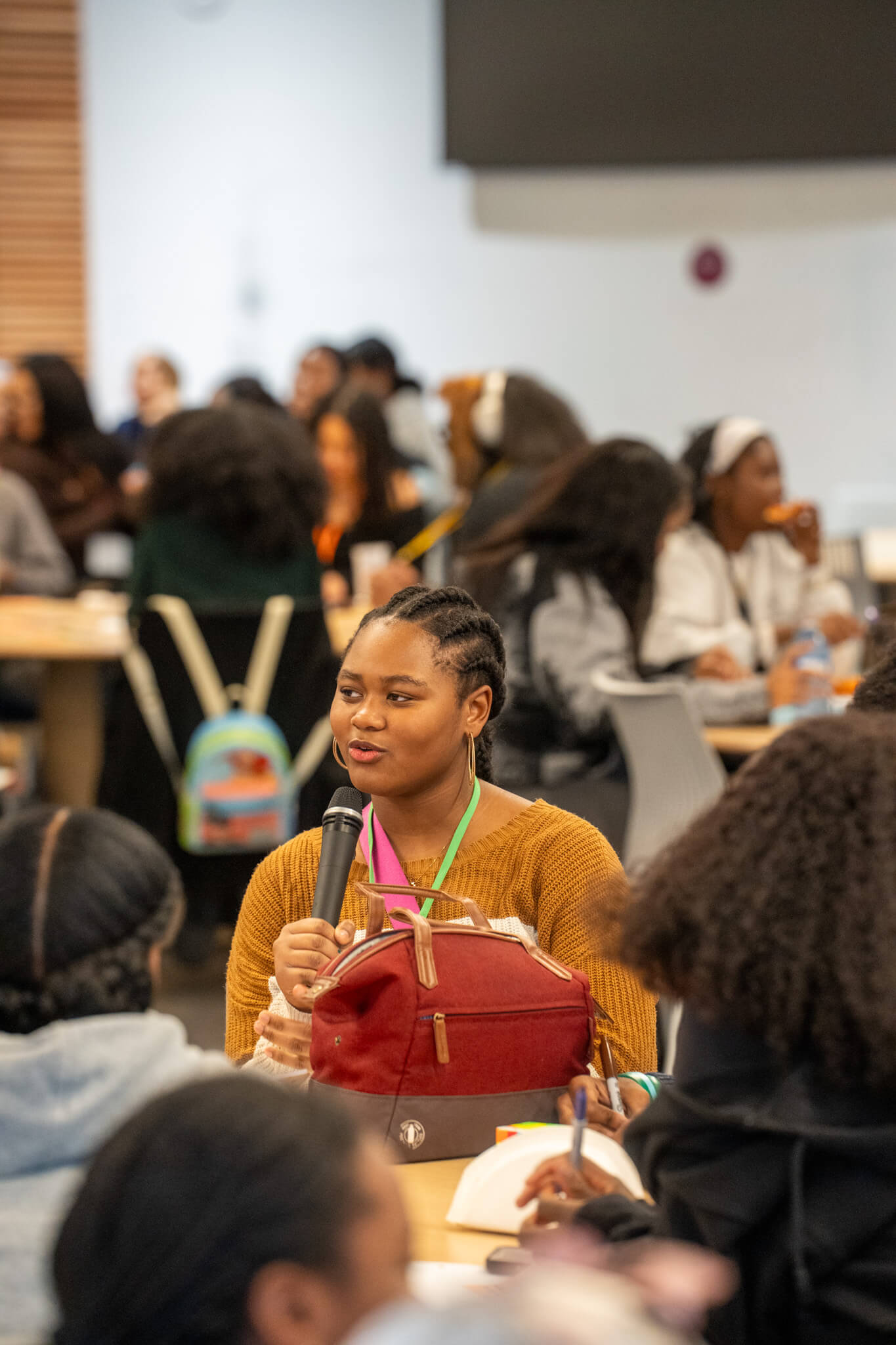
About the Black Student Success Centre (BSSC)
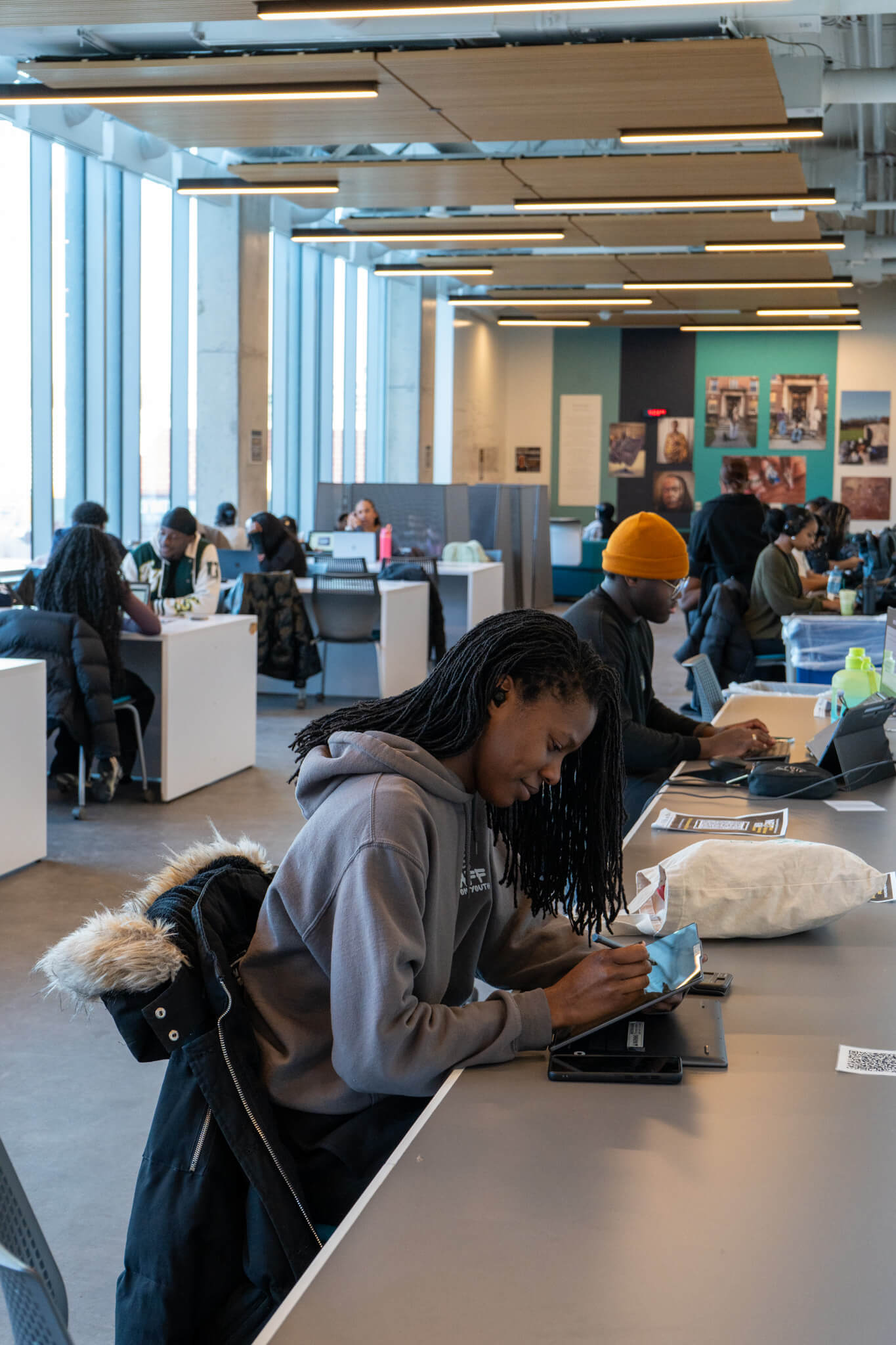
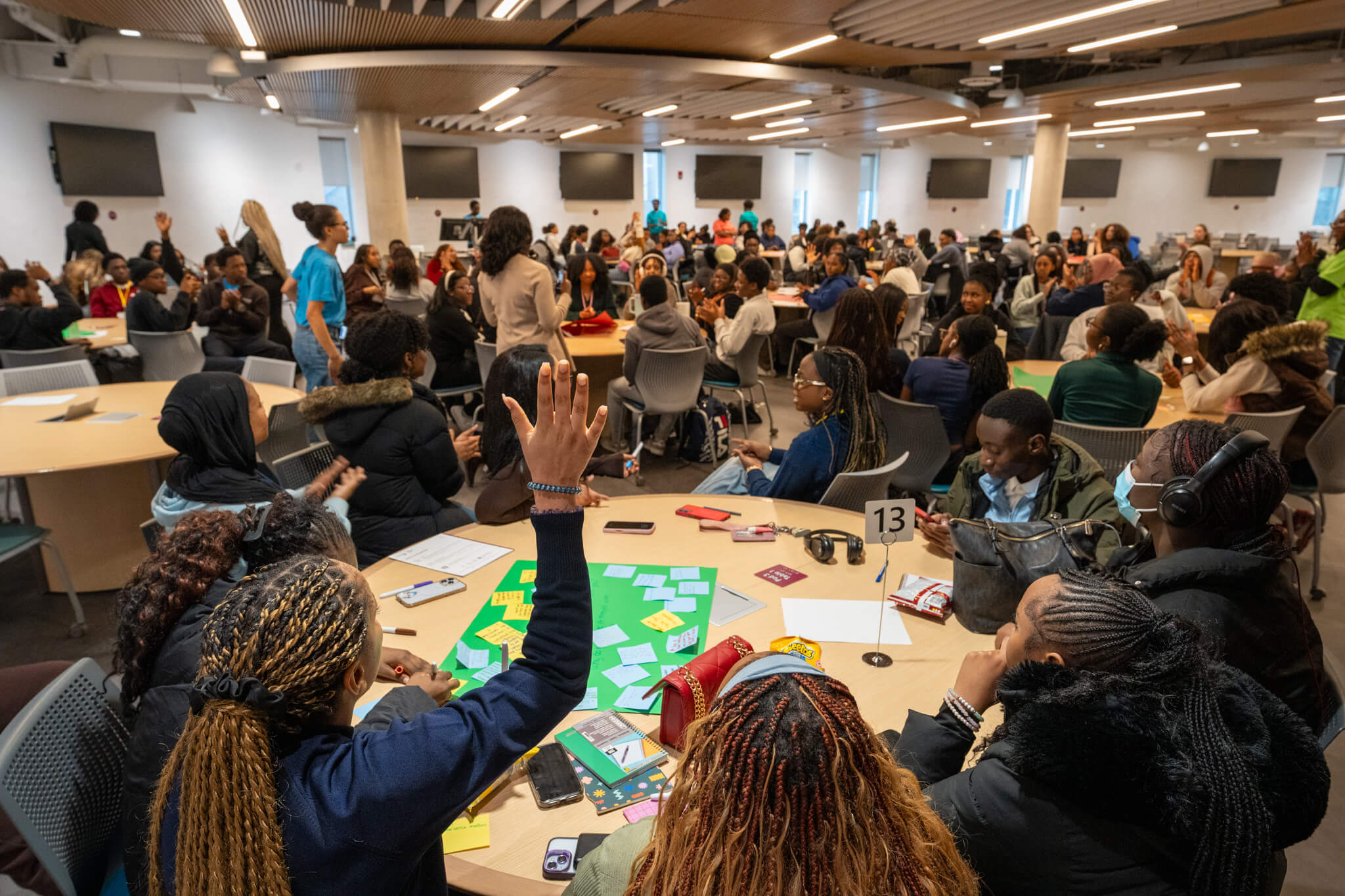
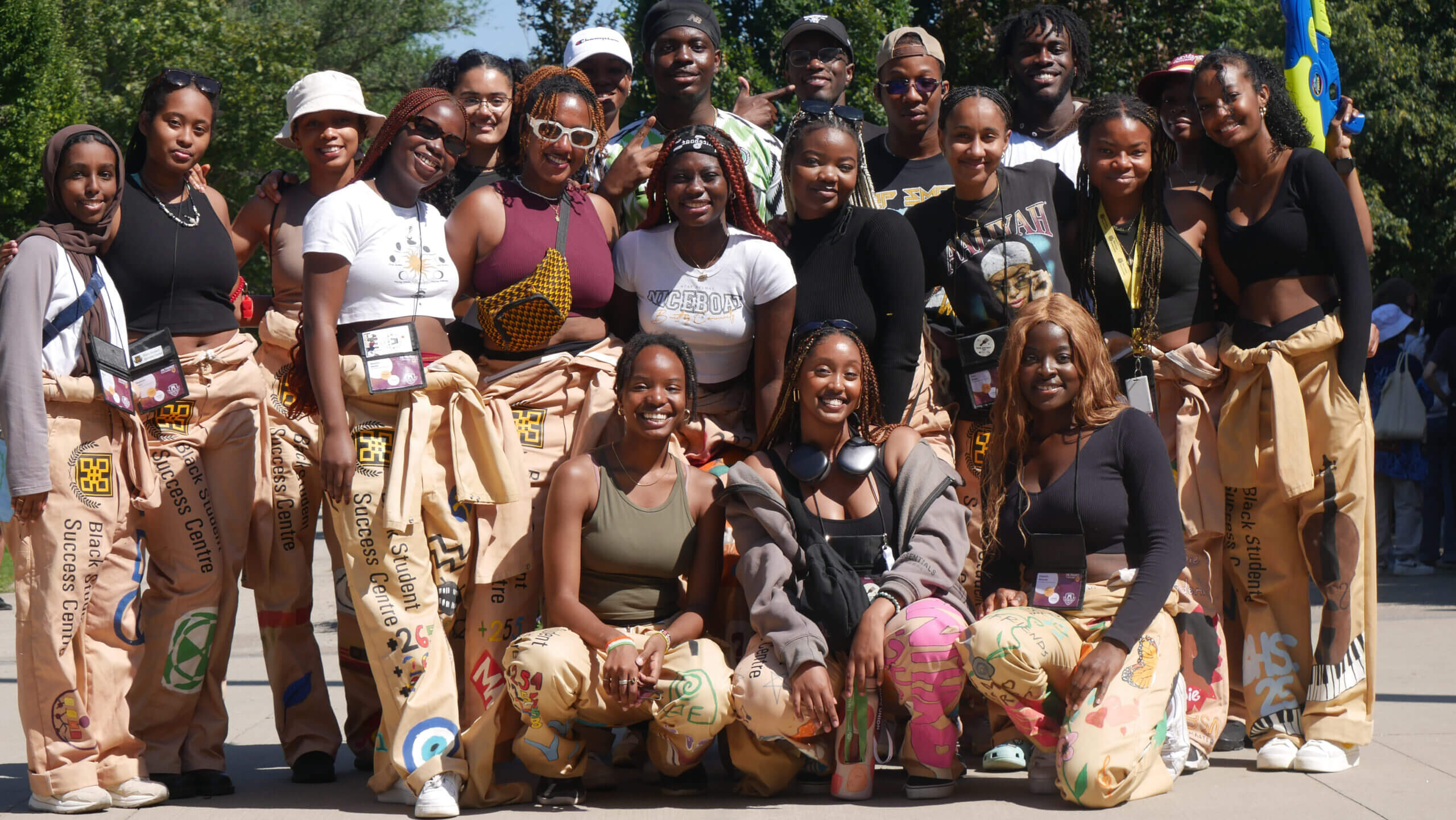
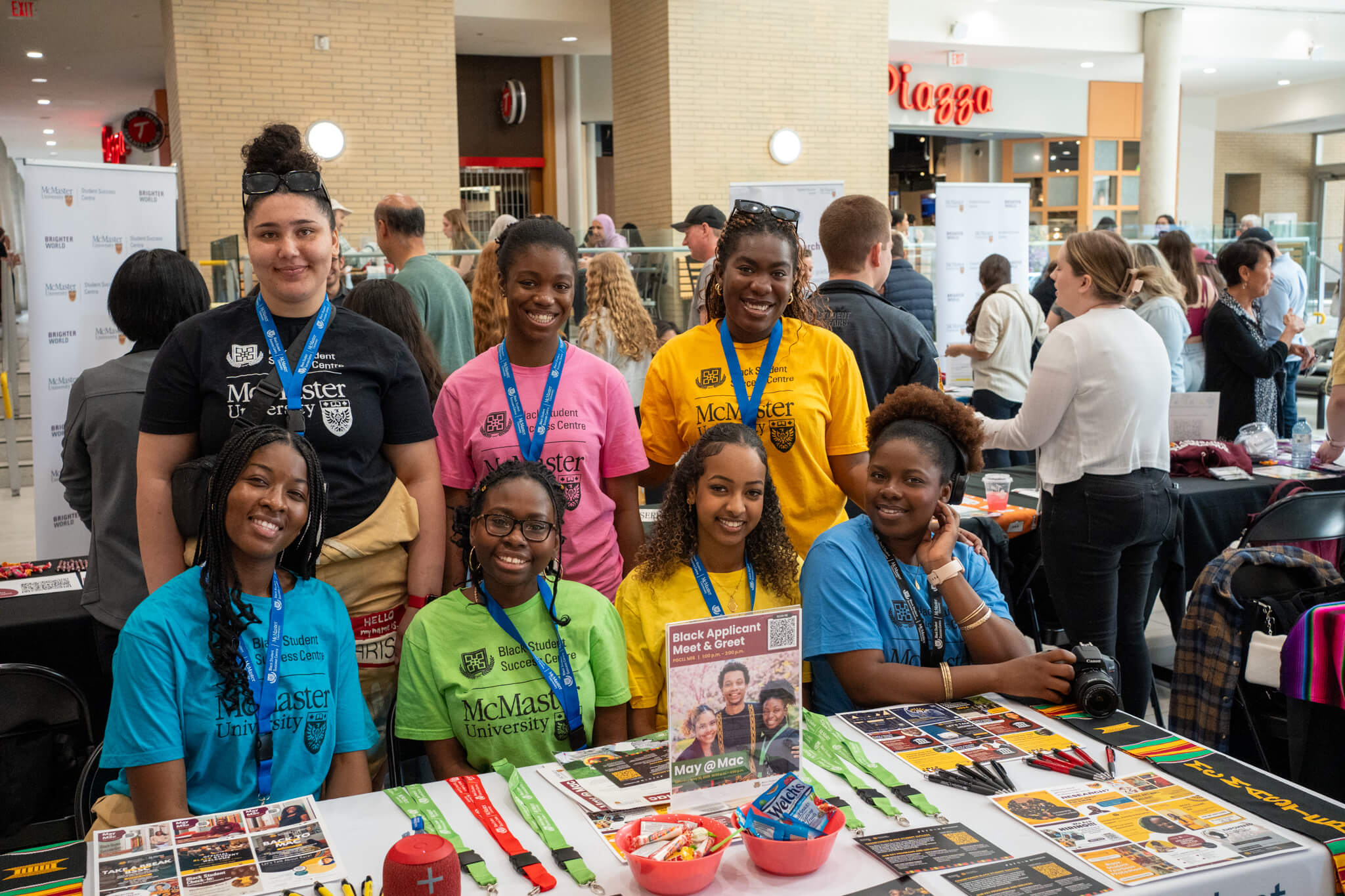
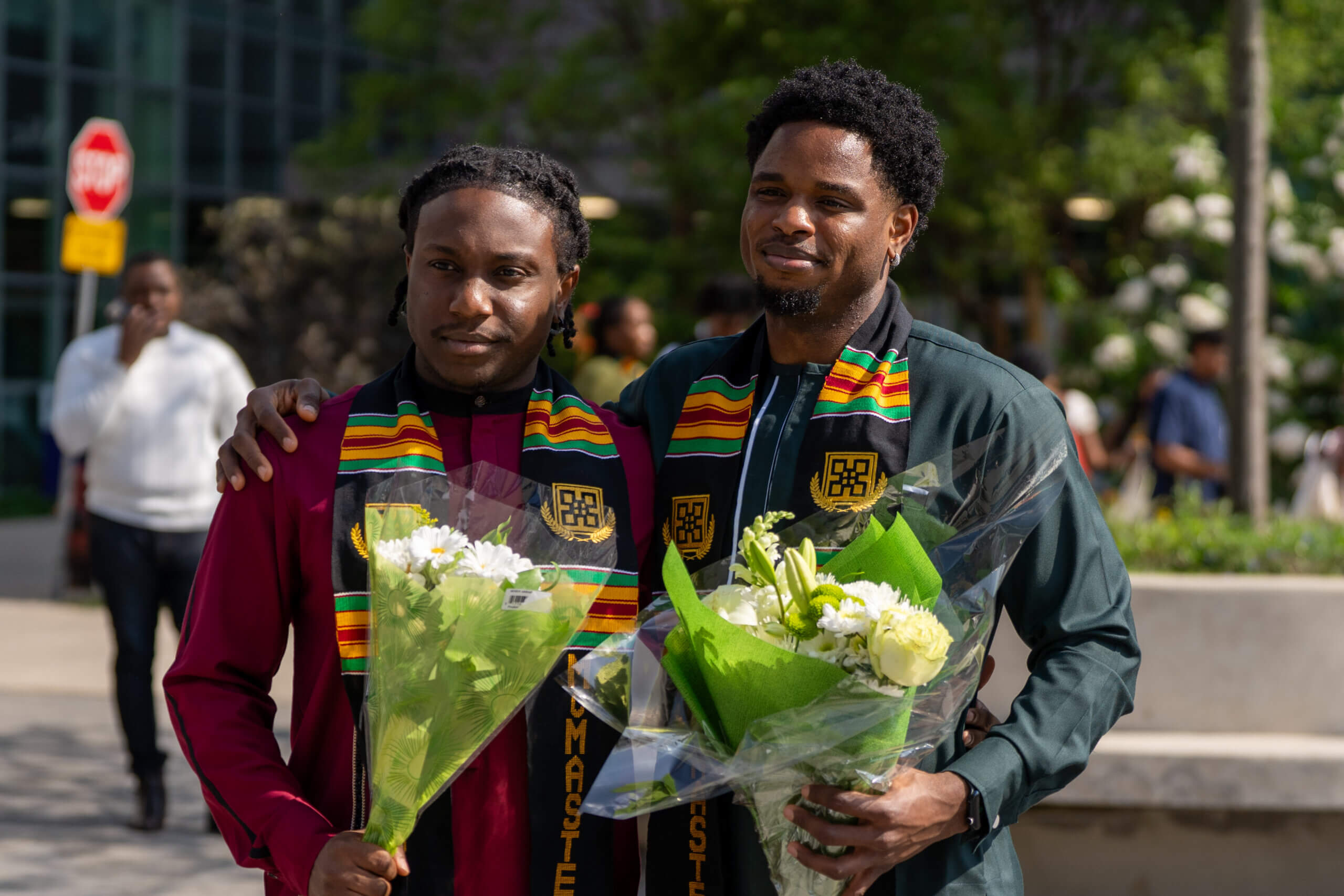
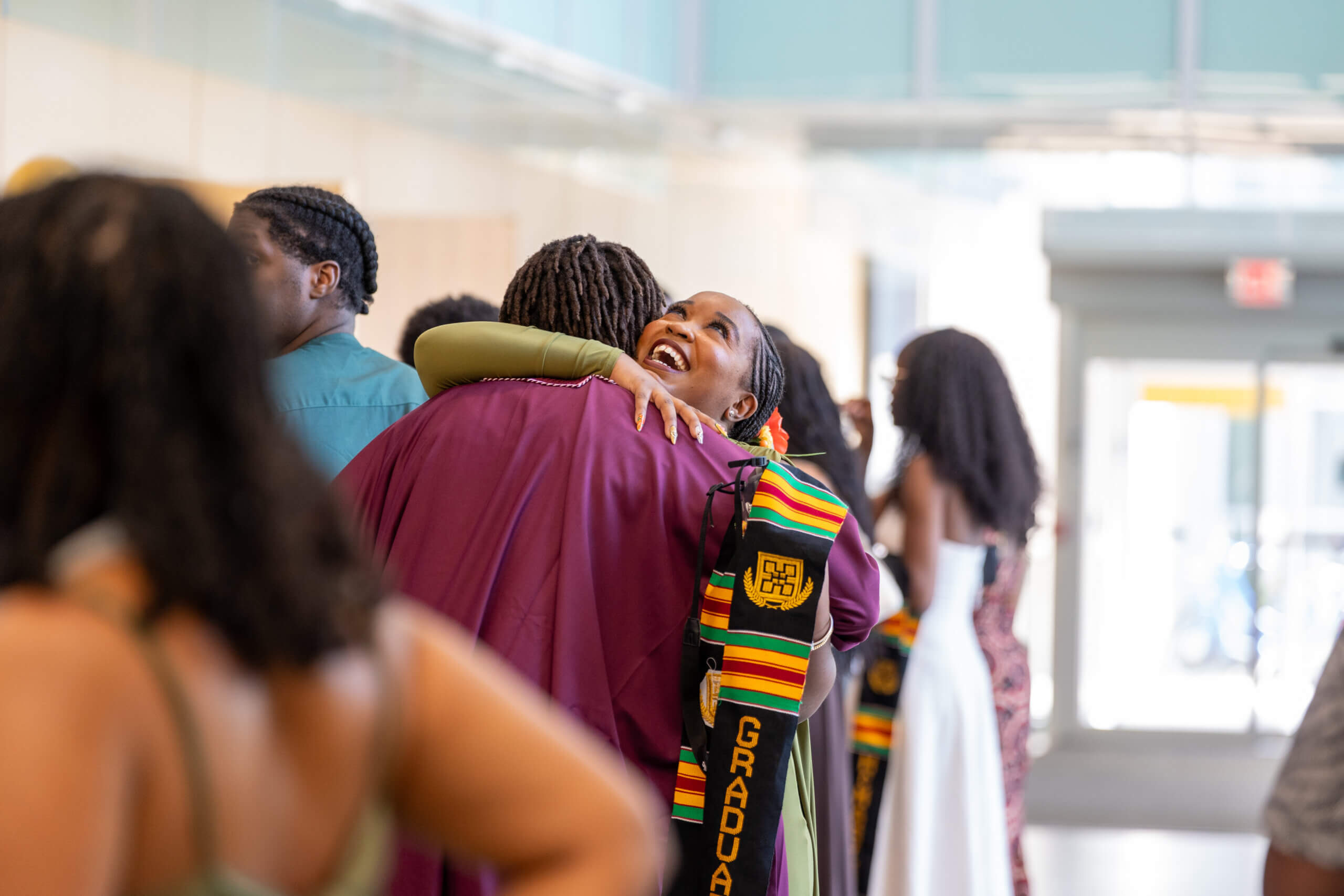
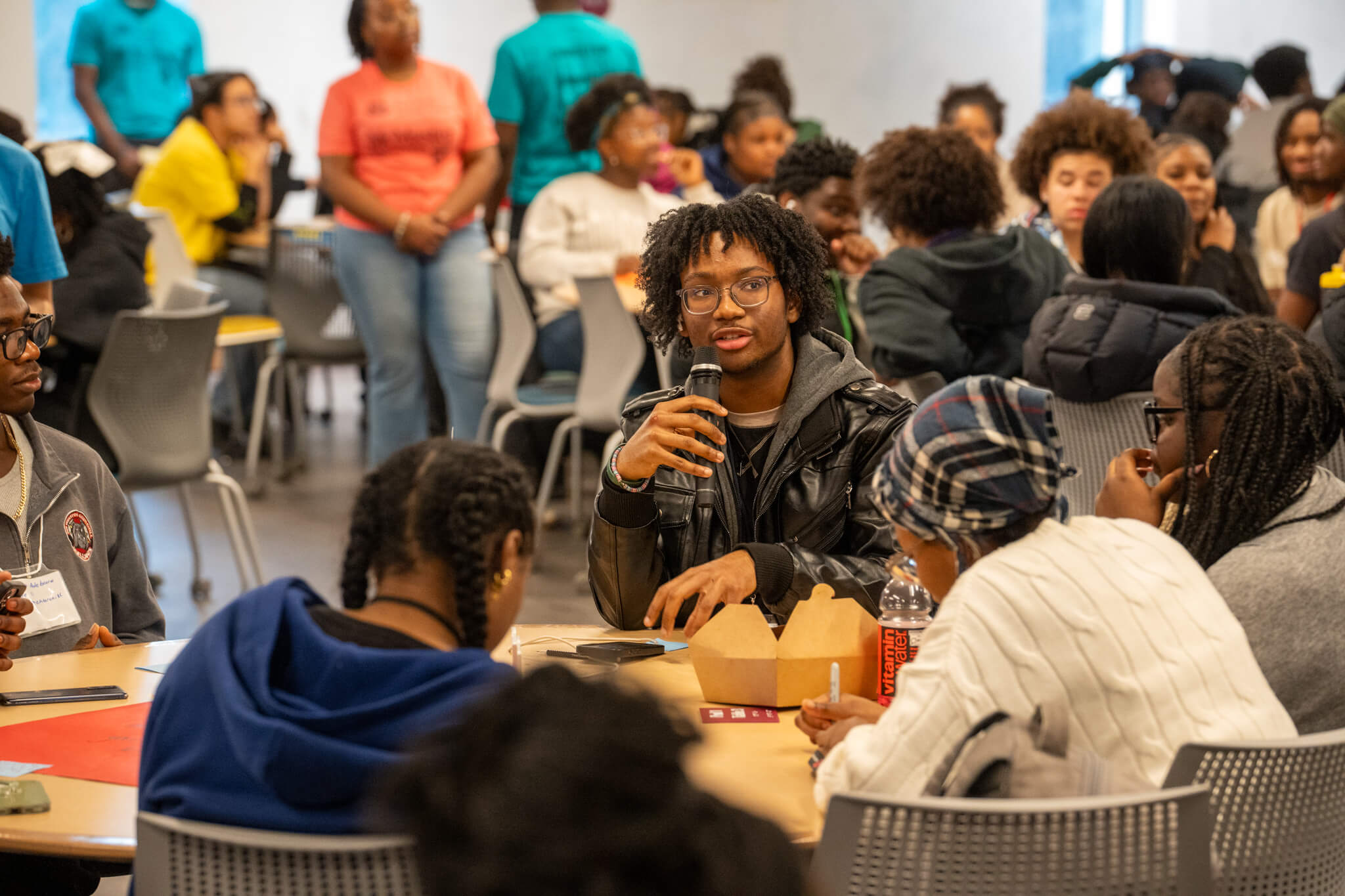
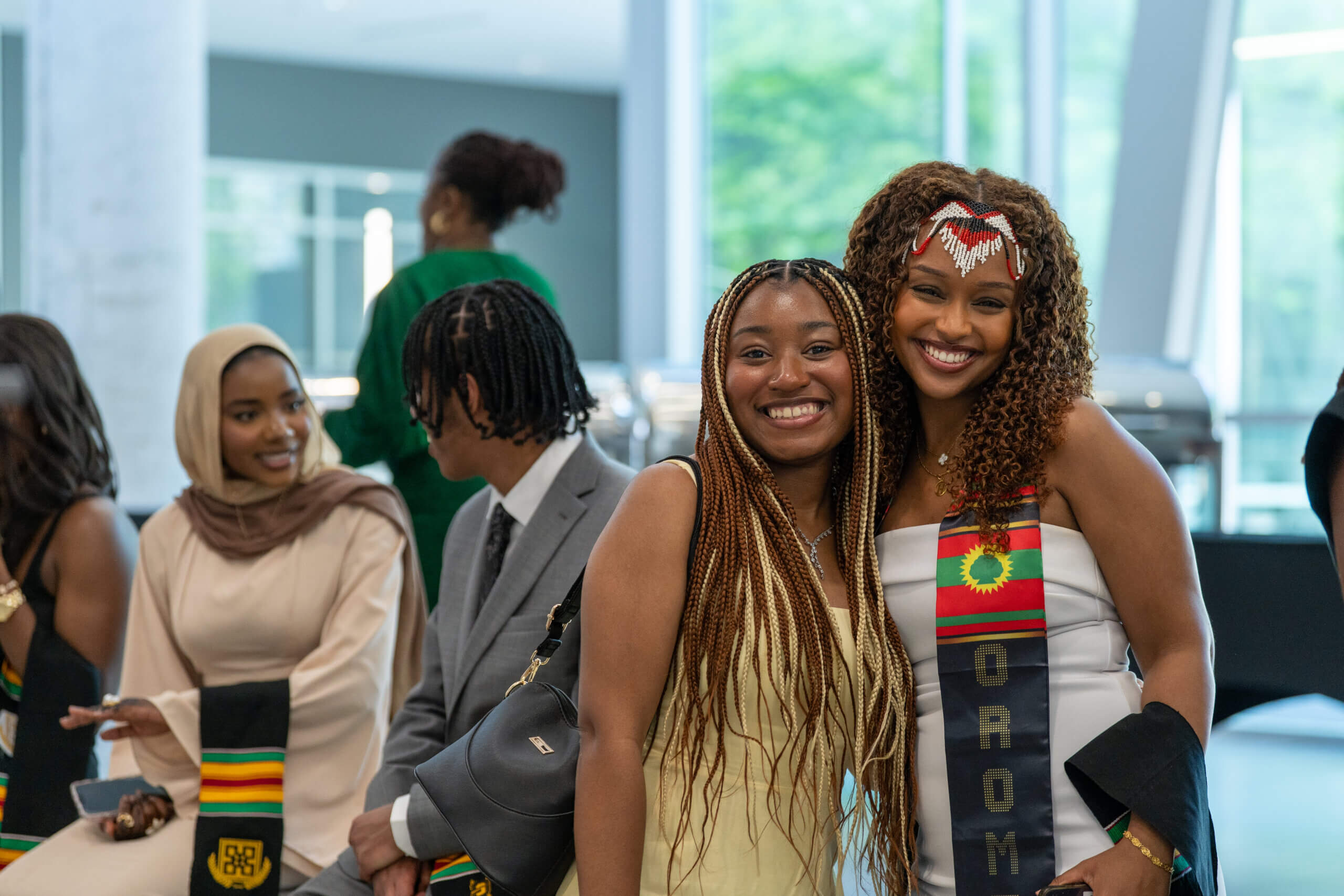
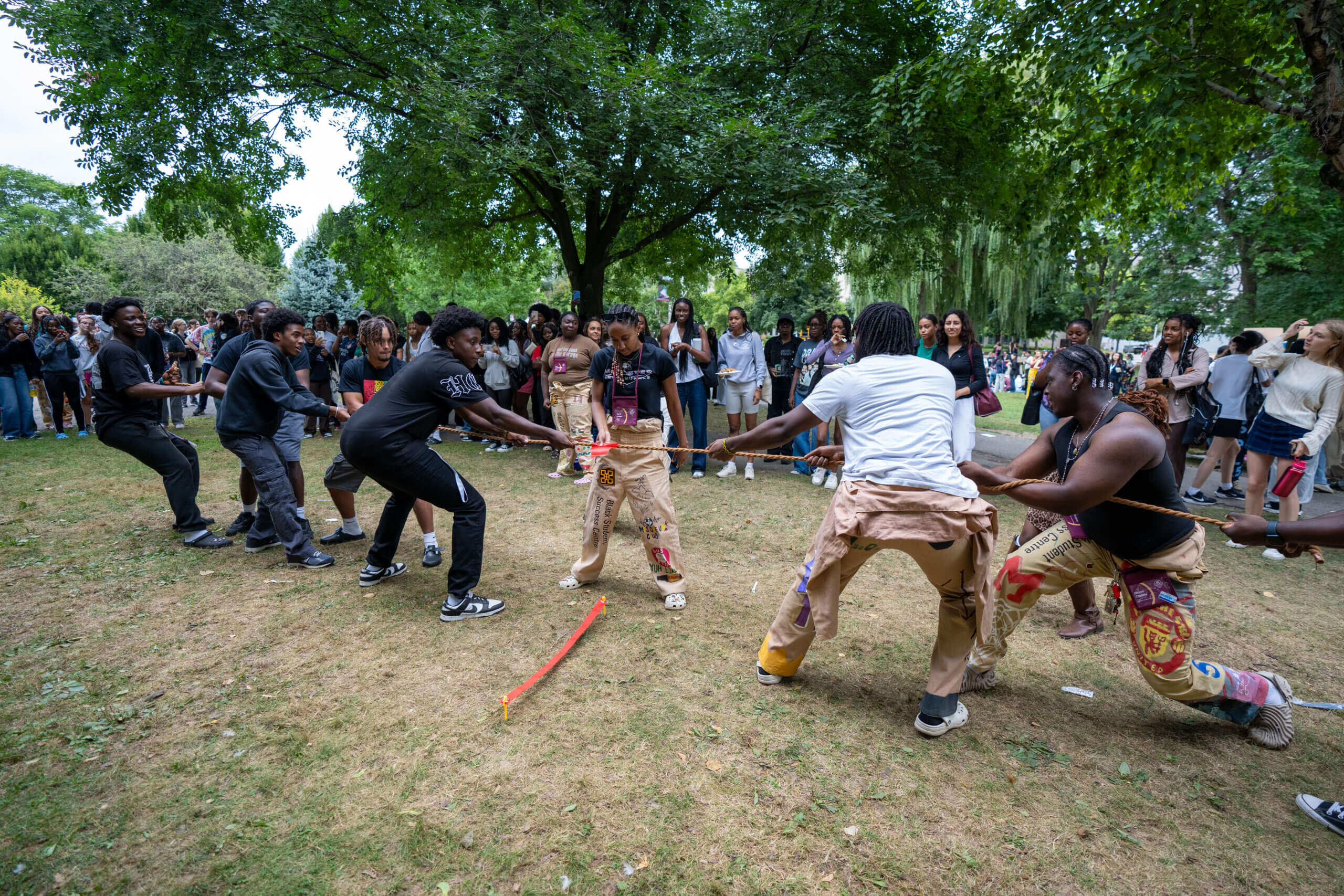
The Black Student Success Centre is a central hub for Black students at McMaster University — where diverse intersectional identities are affirmed, community is built and excellence is nurtured. Here, you’ll find mentorship, wellness supports, leadership opportunities, career development, high-school pathways and a vibrant community of students, alumni and staff dedicated to your success.
You belong here.
Your journey matters.
Your brilliance has a home at McMaster University.
Contact us
Email us at bss@mcmaster.ca.
Visit us in the Black Student Community Lounge, Peter George Centre for Living and Learning (PGCLL) M05.


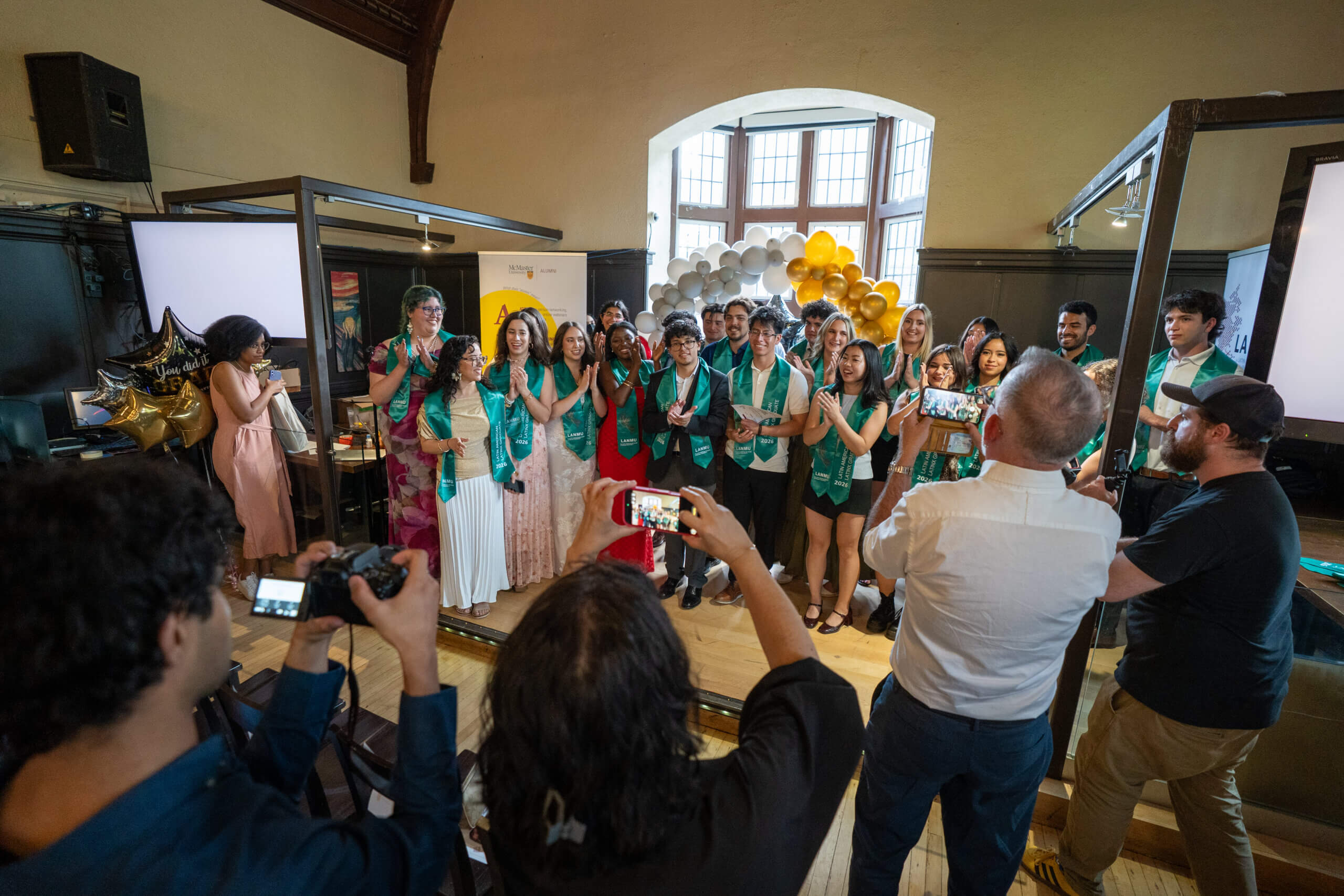
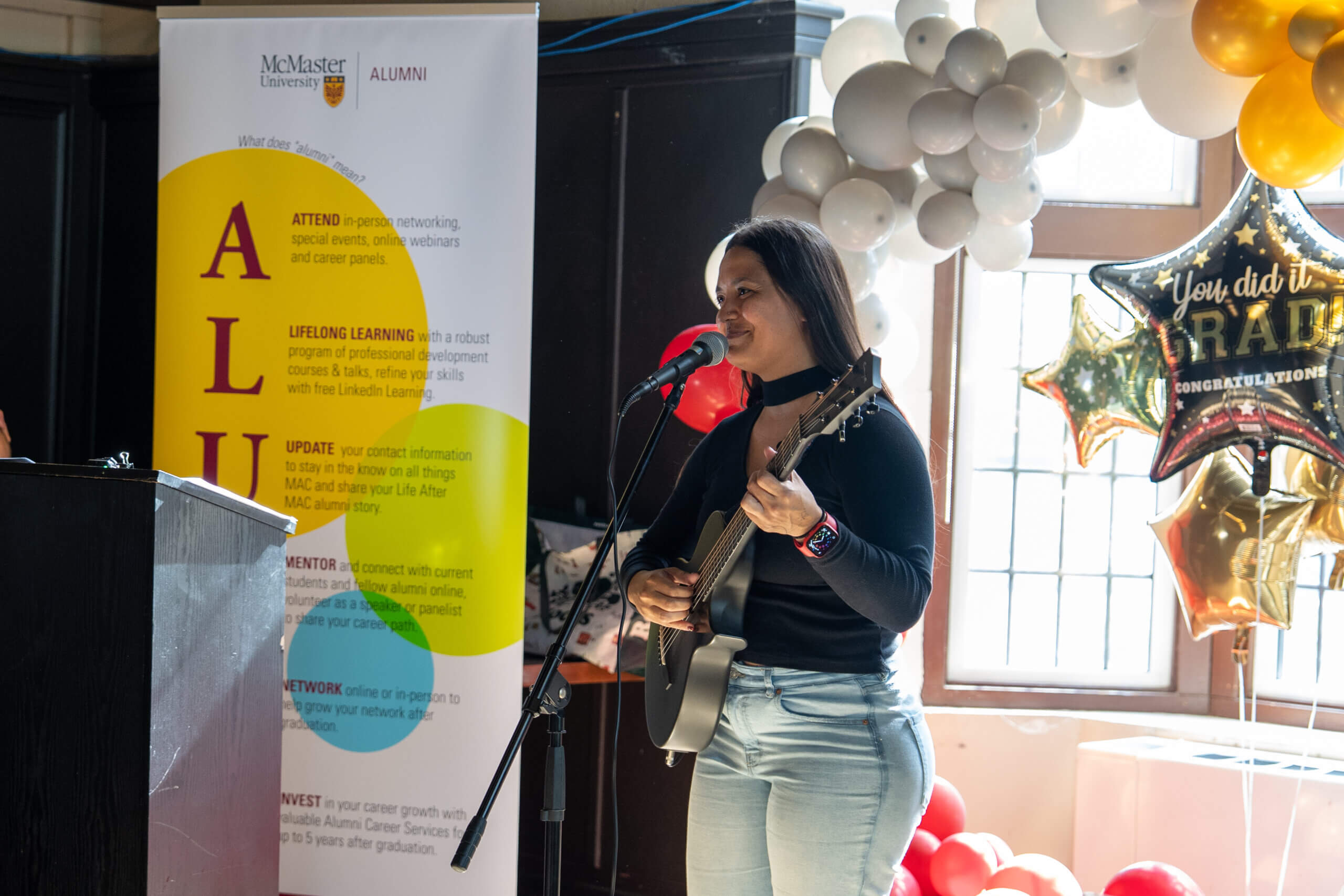
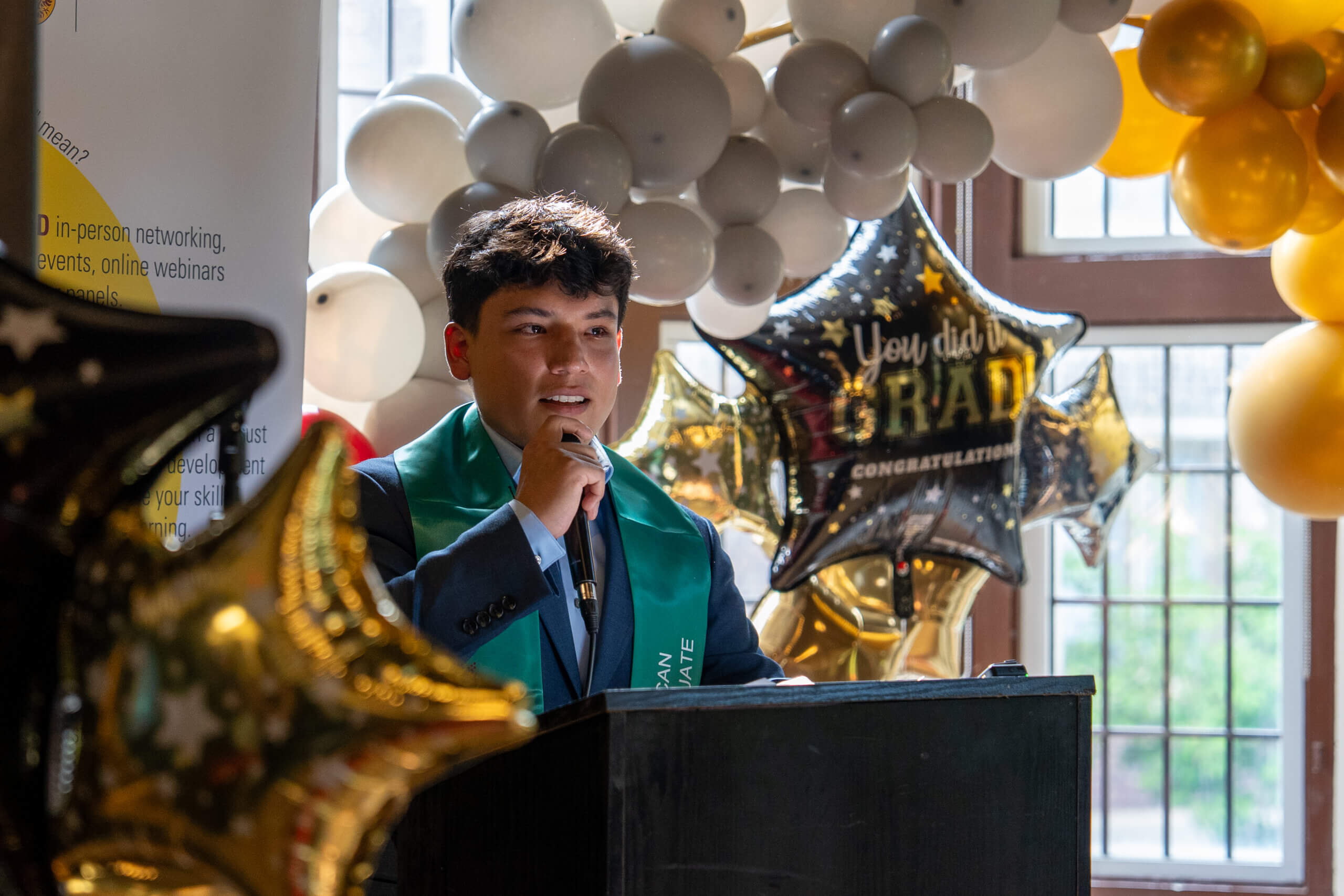
About the Latin American Network at McMaster University (LANMU)
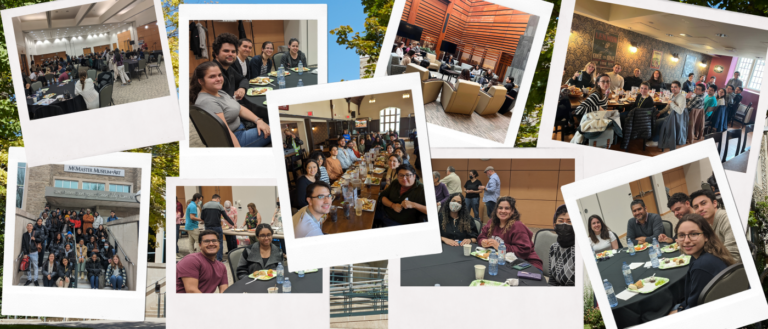
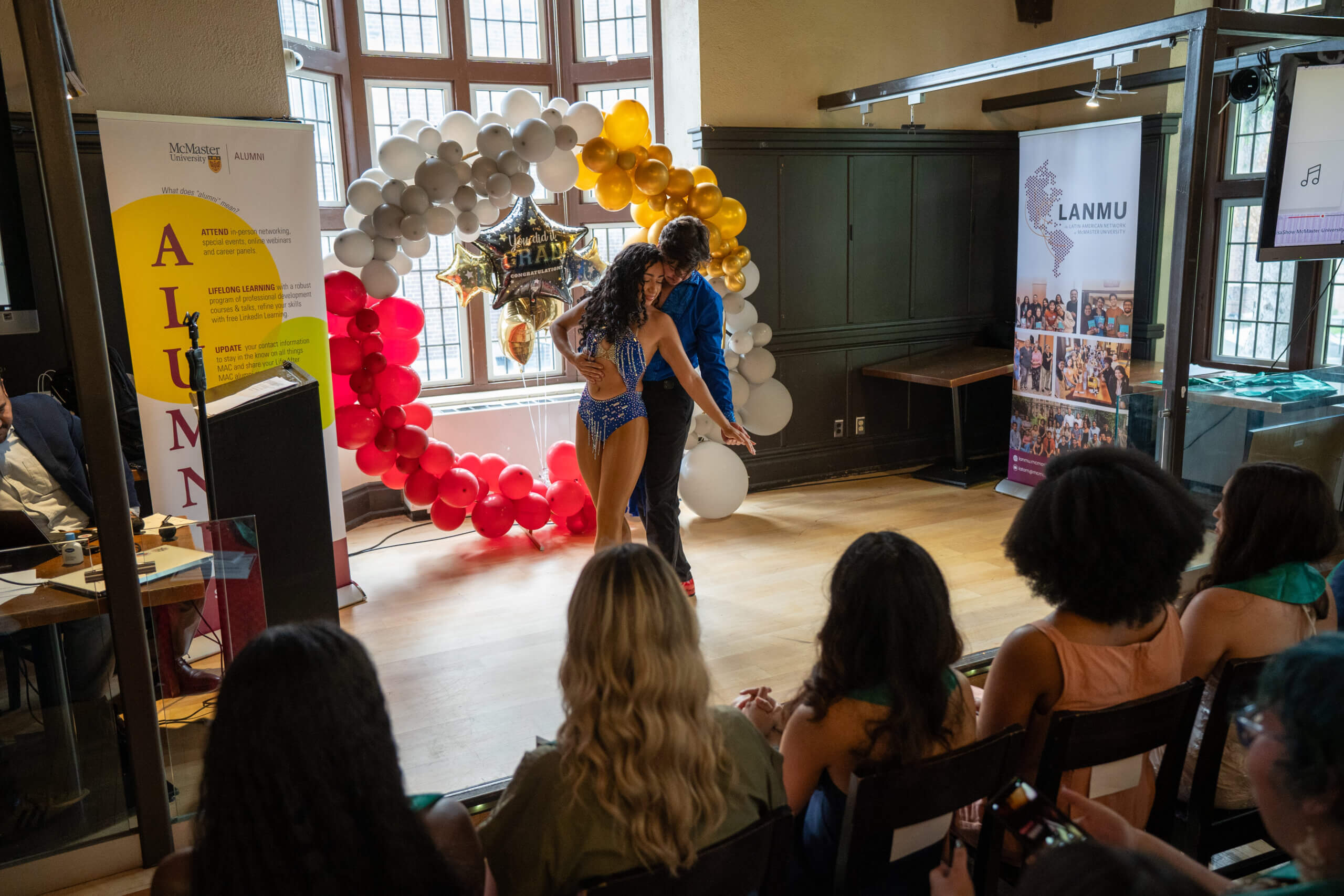
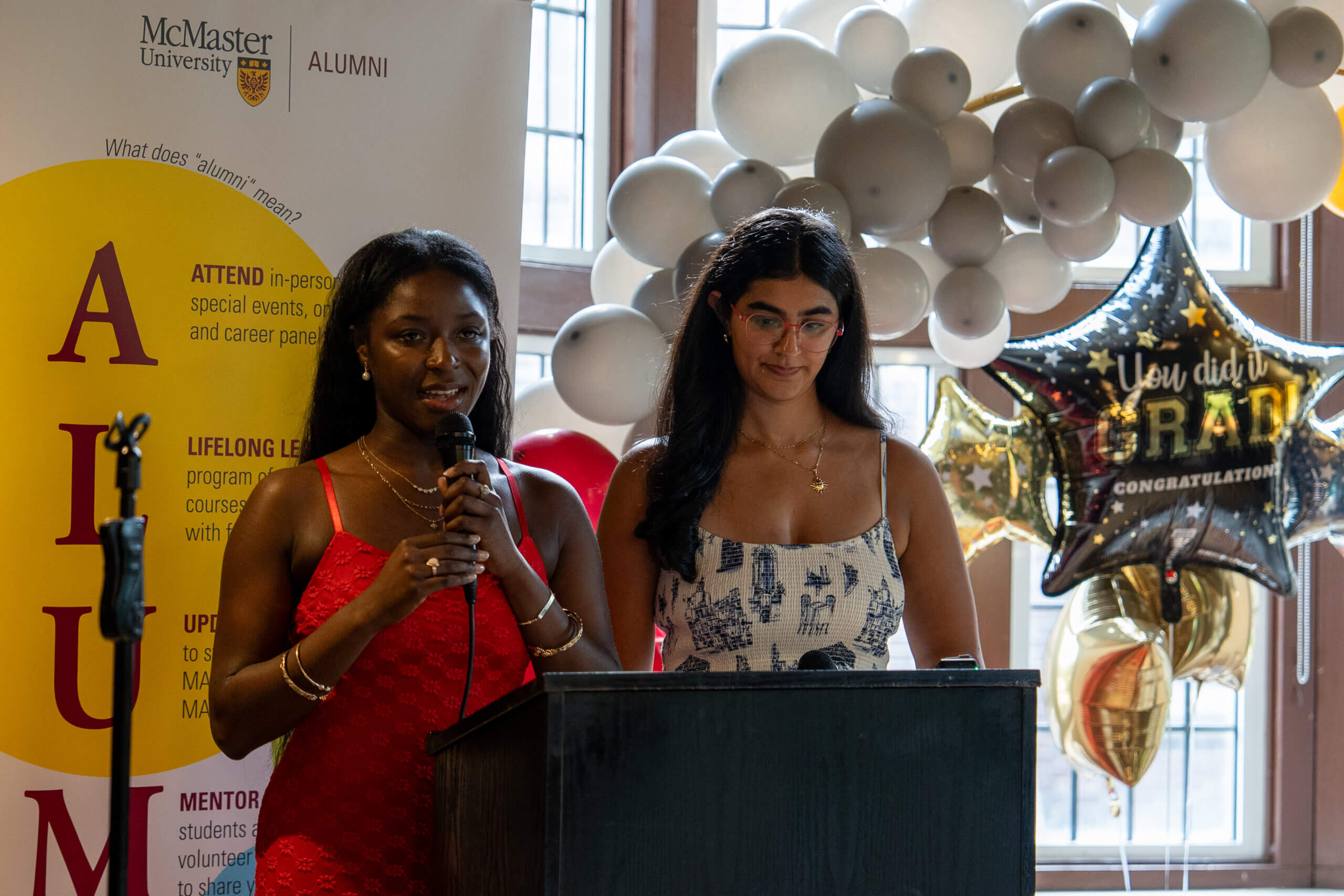
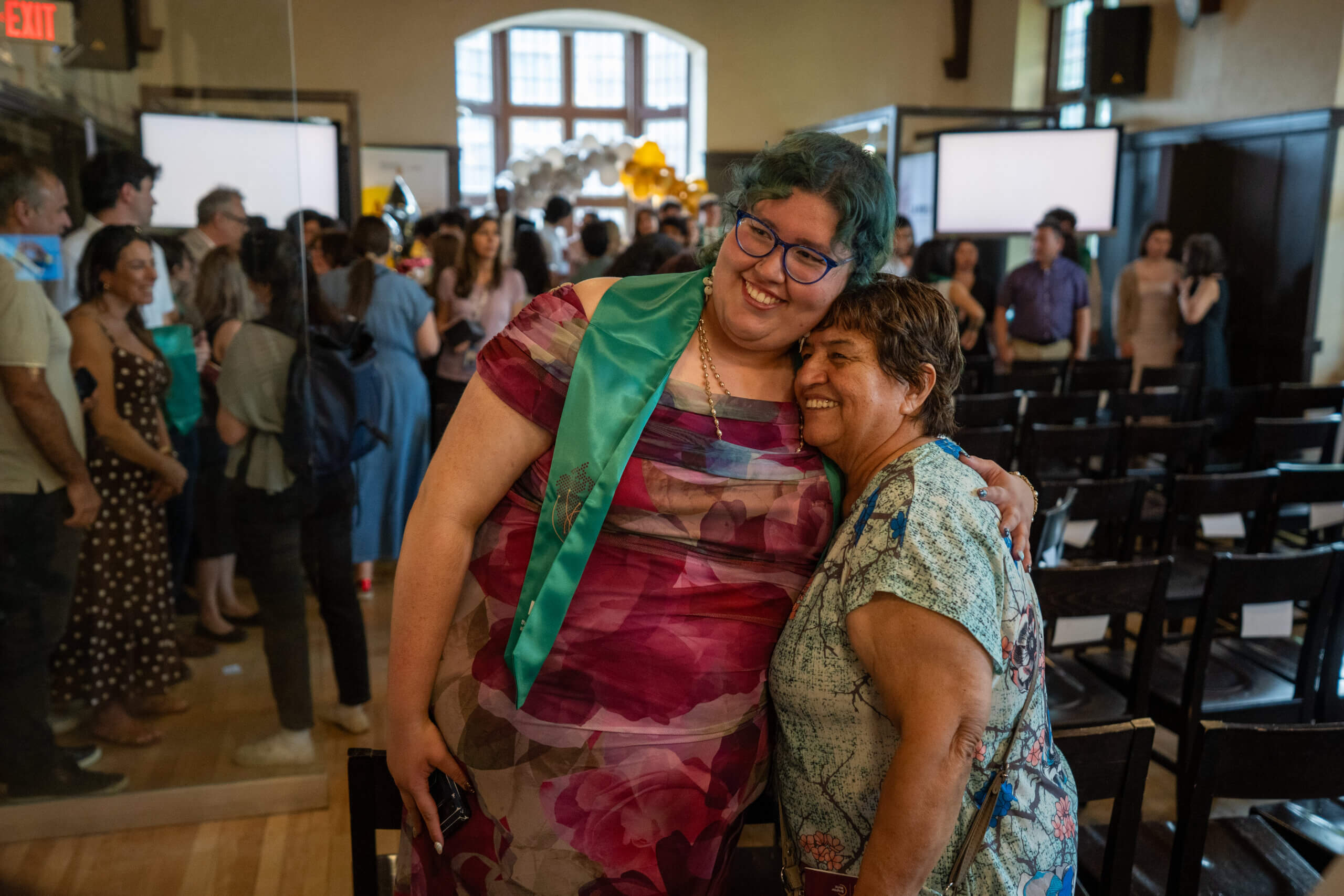
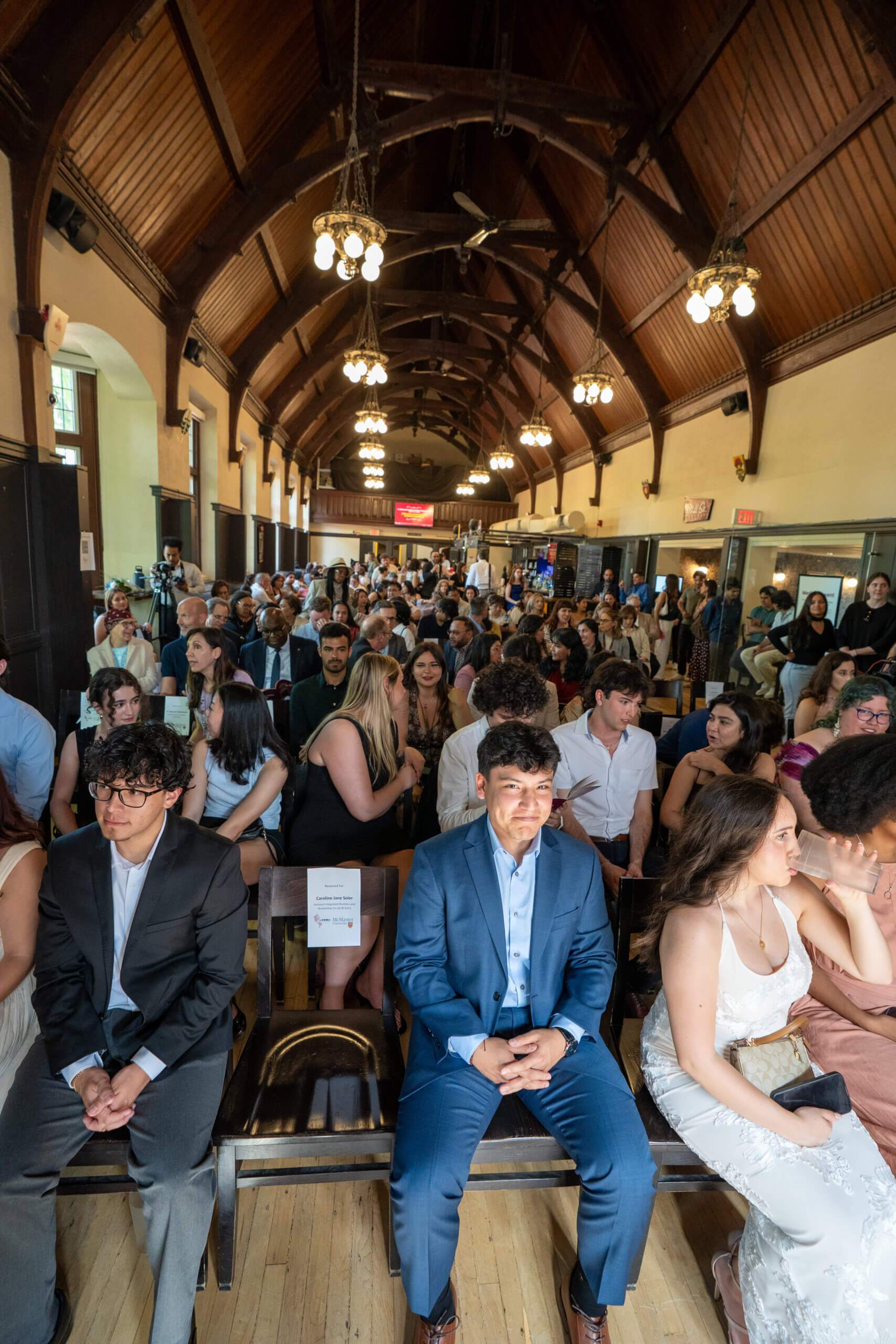
Established in the summer of 2021, the Latin American Network at McMaster University (LANMU) is composed of students, staff, and faculty who have various ties to Latin America and its diasporas. This includes over a dozen faculty members across five Faculties, and undergraduate and graduate students across all six Faculties.
Student Affairs supports LANMU student-facing events and mentorship programs.
About the Latin American Network at McMaster University (LANMU)LANMU Website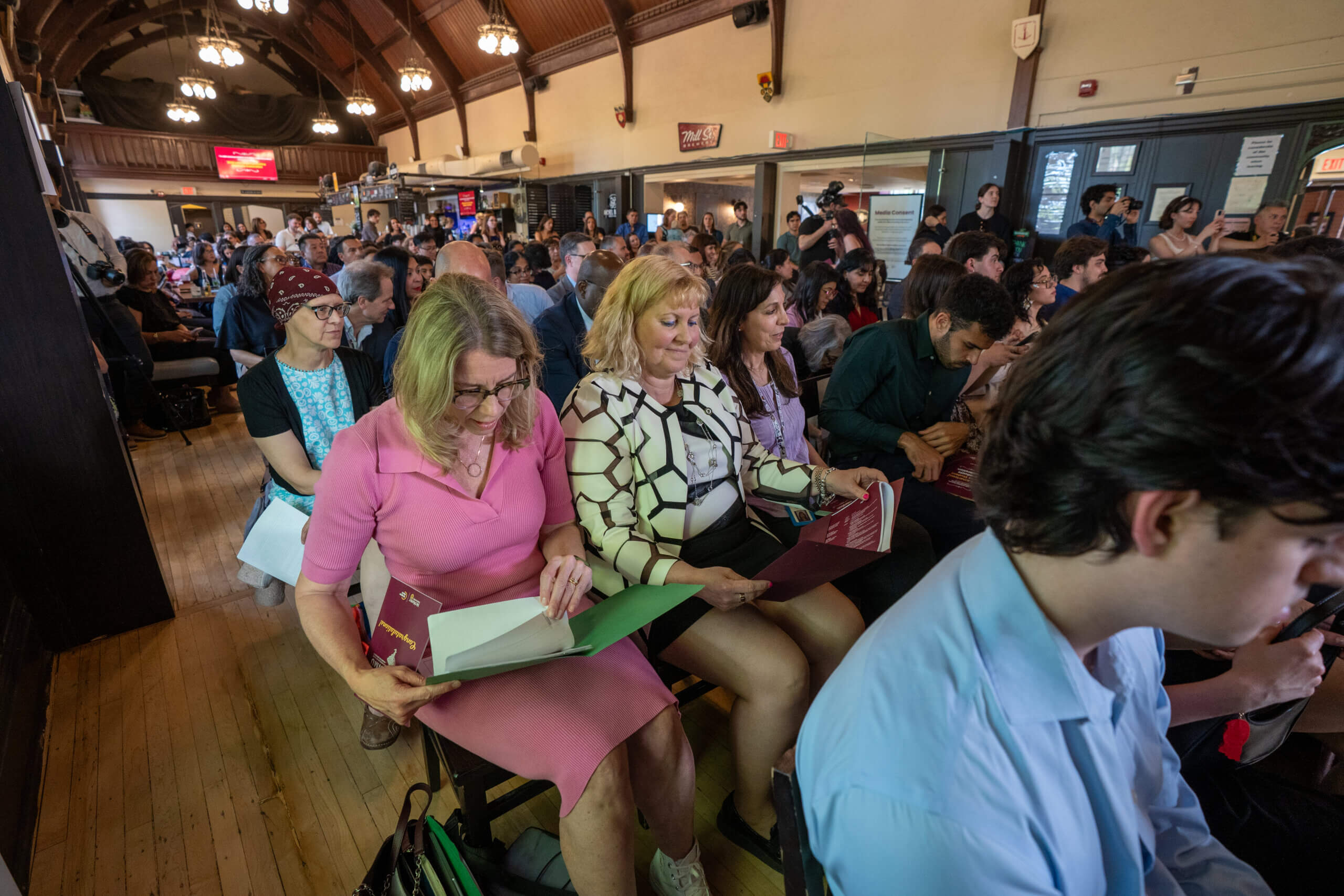

About the Spiritual Care and Learning Centre (SCLC)
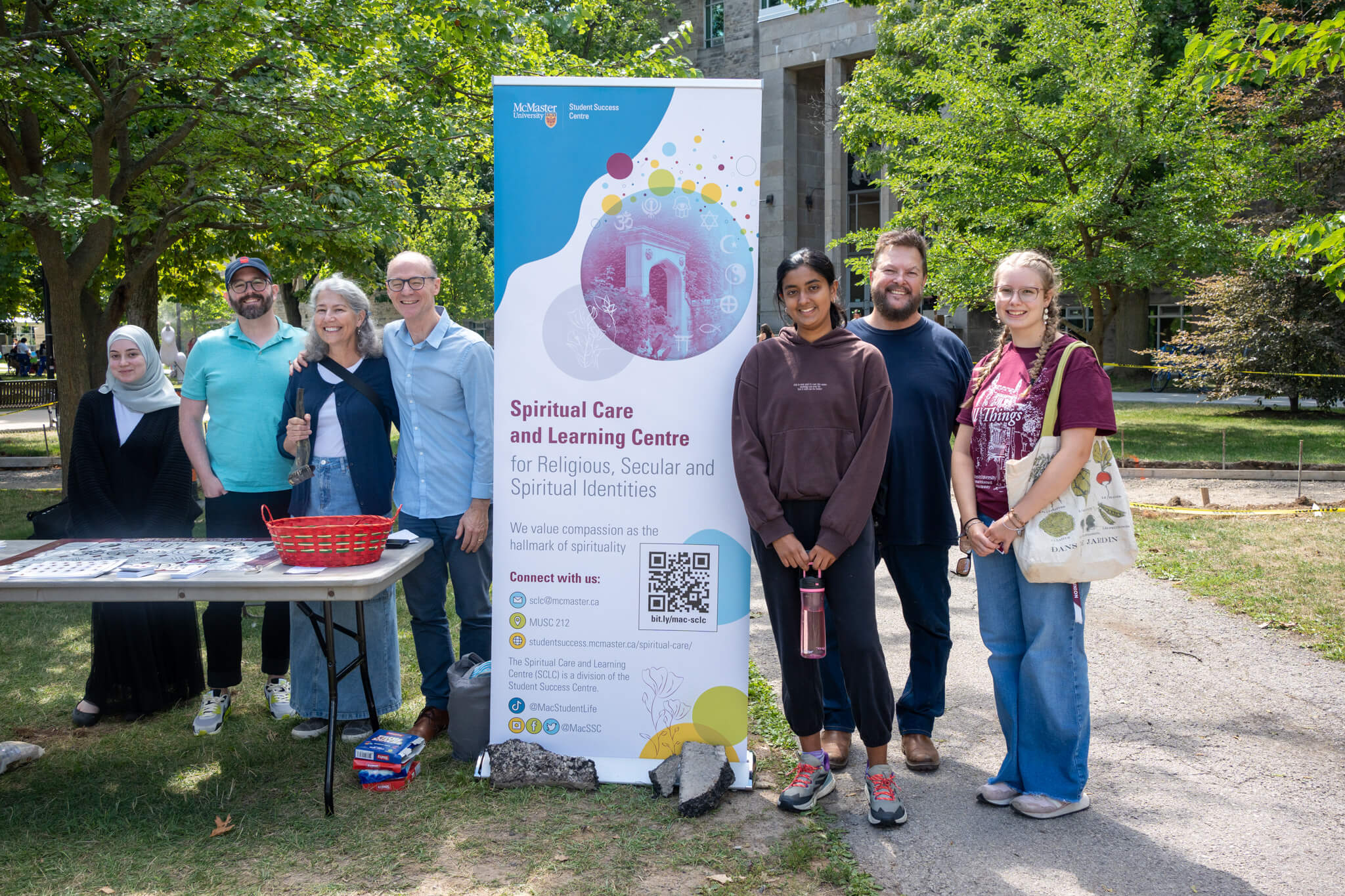
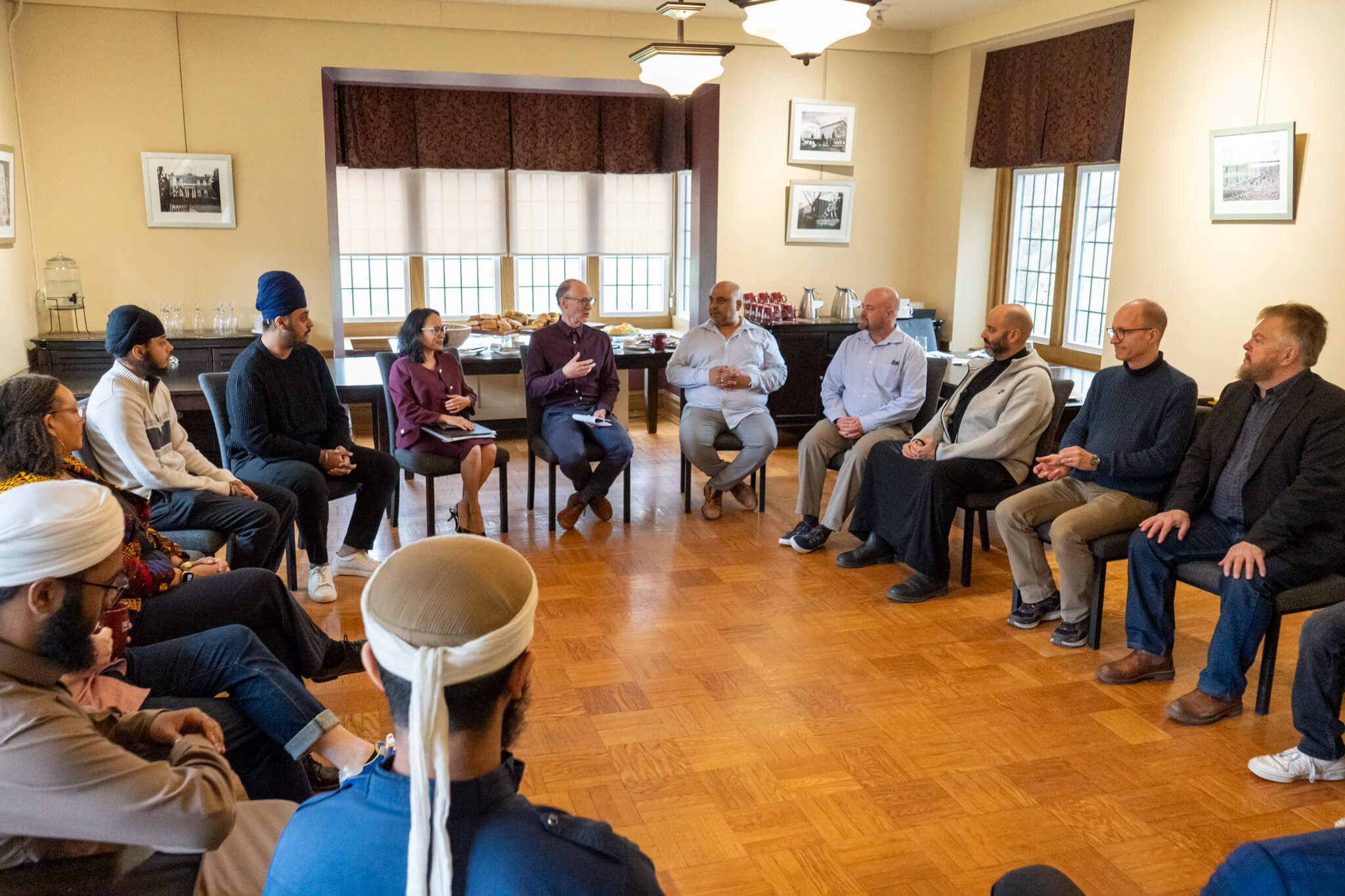
The Spiritual Care and Learning Centre (SCLC) is a multicultural network of community leaders and groups working in collaboration to provide spiritual care services. At the SCLC, we value each individual as a person (mind, body and spirit) deserving of love and care.
We acknowledge the importance of community in our daily lives and the significant role it plays in our larger sense of identity, whether that identity is religious, secular, spiritual or otherwise.
Read about SCLC events, initiatives and impact in 2024–2025.
Contact us
Email us at sclc@mcmaster.ca.
Visit us in the Spiritual Care and Learning Centre, McMaster University Student Centre (MUSC) 212. Office hours are 9:00 a.m. to 4:00 p.m. between September and April, and by appointment between May and August.
Spiritual care is the practice of caring for a person’s spirit. In this practice, we don’t view our spirit as separate from our body or sense of self. Rather, it’s the full representation of ourselves. To put it simply, practicing spiritual care is acknowledging and caring for a person and their entire identity, sense of purpose and meaning in life.
It’s about viewing our humanity as meaningful and acknowledging that we all share commonalities that span social, cultural and economic backgrounds, whether we identify as religious, secular, spiritual or otherwise.
Let’s define these terms.
Religious identities are as diverse as any other type of identity, and no singular feature defines what a religion is. However, religions generally believe in some notion of the divine, whether through one God (monotheism), multiple gods (polytheism) or human beings (non-theism). Some examples include Judaism, Buddhism, Hinduism, Christianity and Islam. However, there are thousands of religions practiced across the globe!
Secular identities are distinct from religious identities, but they’re not totally contrary to religion. Identifying as secular is another way to express yourself and experience life. For example, secularity views and celebrates the natural world as sacred. Some examples include Atheism, Agnosticism, Humanism, Egalitarianism and Environmentalism.
Spiritual identities pursue and practice the deepest expressions of one’s self and share it with the world. These identities may take on the appearance of religion while also embracing secular philosophies. However, spiritual identities offer unique perspectives on humanity and everyday life. Some examples include spiritual but not religious (SBNR) groups, new age movements, Wiccan, Paganism and Eco-Spirituality.
The Spiritual Care and Learning Centre in MUSC 212 has a designated prayer and spiritual care space. Our hours are 9:00 a.m. to 4:00 p.m., Monday to Friday, between September and April, and by appointment between May and August.
Additionally, check out these spaces on campus:
- Mills Library — Third Floor Prayer Space
- Thode Library — B117A Prayer Space
- The Hub — Multifaith Prayer Spaces (Third Floor)
- The Hub Loft — Fourth Floor
- McMaster Children’s Hospital Chapel — Second Floor
- Muslim Student Association Prayer Space — T13 (Rooms 106 and 112)
- Hamilton Hall — Rooms 312 and 410
- MDCL — Rooms 2242, 2246, 2249
How does the Spiritual Care and Learning Centre (SCLC) work with the Student Wellness Centre (SWC) at McMaster?
Spiritual care contributes to our wellness. We work collaboratively with the Student Wellness Centre to support every aspect of your wellness so you can thrive at McMaster.
- The Student Wellness Centre model is designed to care about the body and mind, requiring clinical precision.
- The Spiritual Care and Learning Centre model is designed to care for the spirit, inviting spiritual direction. Clinical and spiritual elements of these models are not mutually exclusive. In fact, they’re inextricably connected.
Do religious, secular and spiritual identities have anything in common?
Not everyone identifies in the same way, and beliefs are shaped by many factors. Having a religious identity does not mean being opposed to secular identities and ideas. Being secular does not prevent a person from being spiritual, and spirituality is not exclusive to religion. Religious, secular and spiritual identities all contribute to shared human values.
How does spiritual care apply to being secular?
Not everyone identifies as religious or spiritual, but everyone can identify as human. Spiritual care focuses on recognizing the meaning of our shared humanity and the commonalities that connect people across social, cultural and economic backgrounds, regardless of how they identify.
What is the relationship of Indigenous life to being religious, secular or spiritual?
Indigenous culture and ceremony are integral to the Spiritual Care and Learning Centre. Indigenous life predates other religious, secular and spiritual communities. Indigeneity both contributes to and exists independently of various religious, secular and spiritual traditions. The Centre also acknowledges the impacts of colonization on Indigenous peoples and encourages active allyship and reconciliation.
Meet the spiritual care leaders
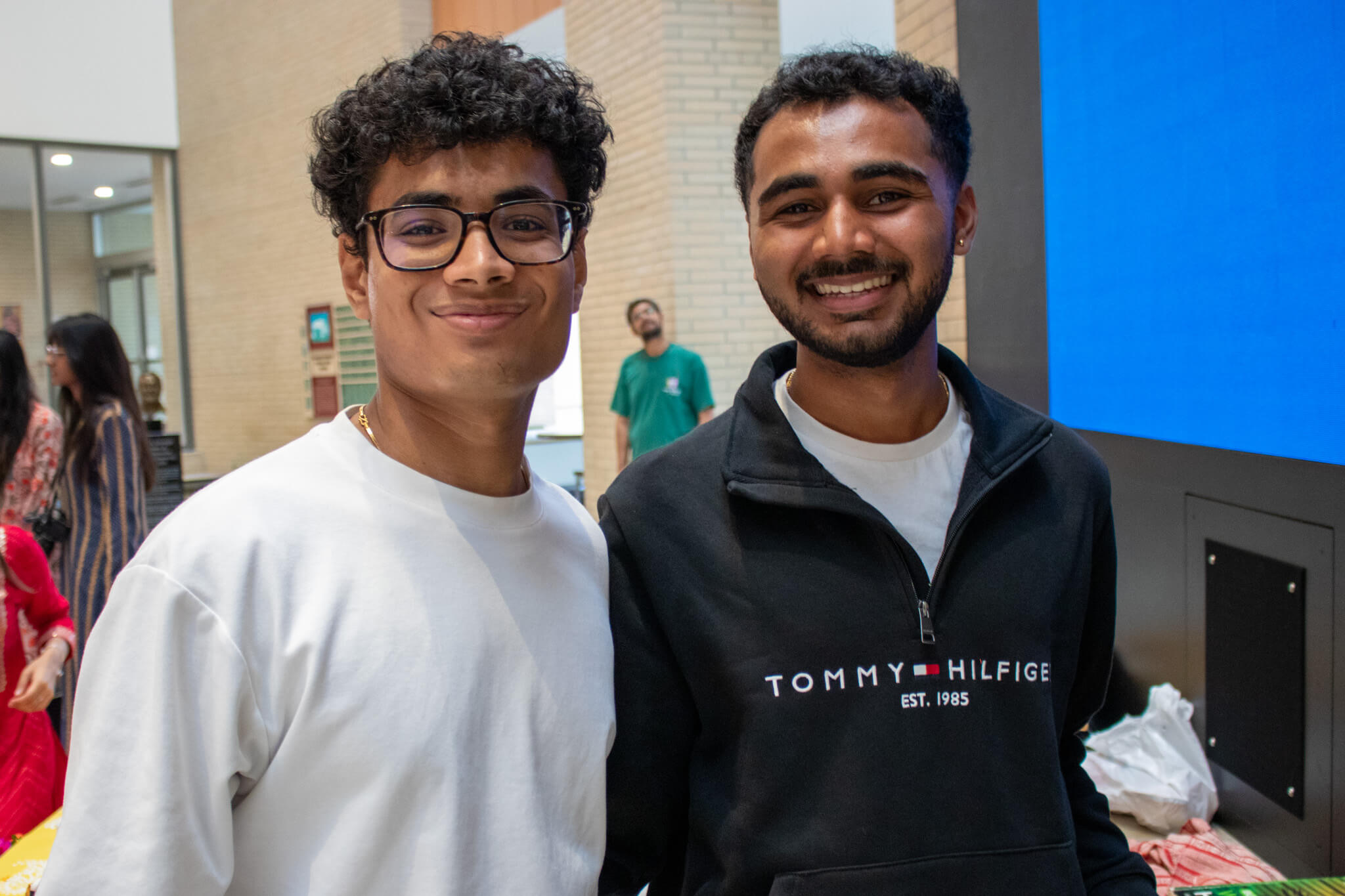
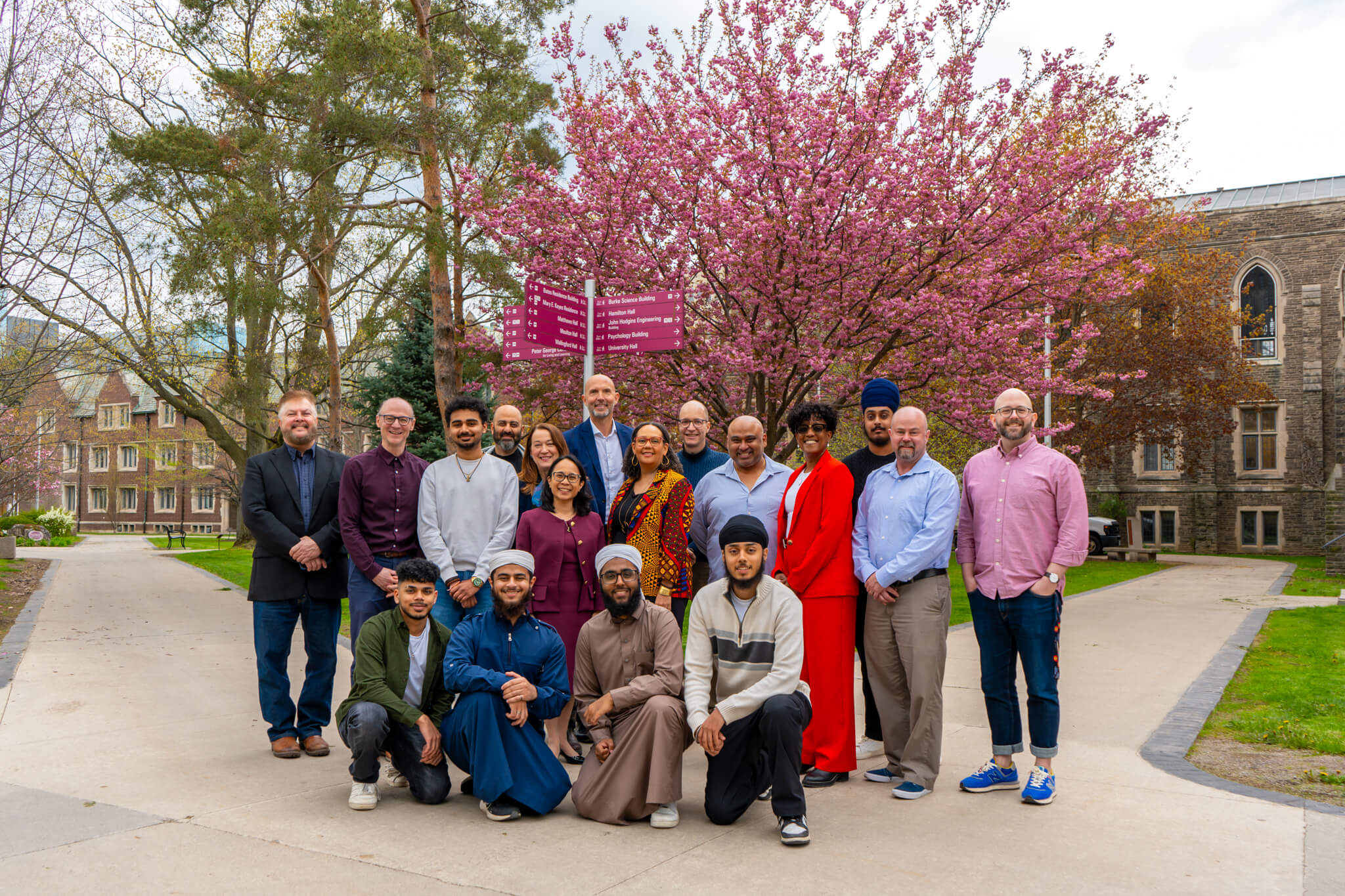
All Spiritual Care and Learning Centre leaders share the values of human dignity, diversity and respect. The following bios reflect the SCLC leaders’ diverse belief systems based on their individual RSS identities. While there may be differences, each one adheres to a common set of core shared values.
If you’re in need of guidance, support or community related to spiritual care, the SCLC leaders are here to help!
Celeste Licorish
Manager, Educational Initiatives and Assessment — Access Strategy
Email: licorisc@mcmaster.ca